
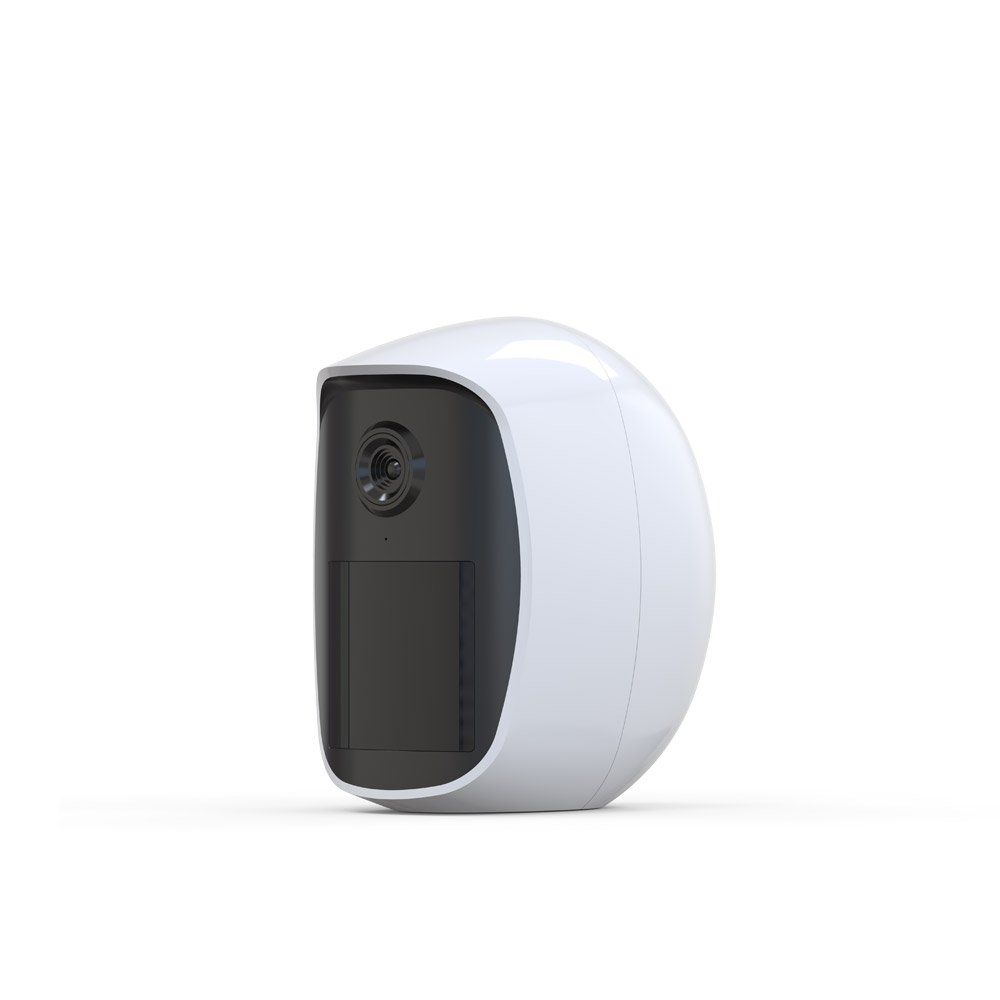
Description
How It Works:
- Video Input: The system receives continuous video input from one or more cameras installed in the target area.
- Motion Detection: The system initially uses motion sensors or algorithm-based motion detection to identify any physical movement in the video.
- AI Analysis: Once motion is detected, the AI component analyzes the video frames to interpret the nature of the motion. This involves object recognition, behavior analysis, and event classification.
- Alerts and Actions: If the AI identifies a relevant event (e.g., unauthorized entry, a vehicle stopping unexpectedly), it triggers an alert and can initiate predefined actions like recording the event, sending notifications to security personnel, or activating alarms.
Key Features:
- Real-Time Processing: Analyzes video streams in real-time, allowing for immediate response to incidents.
- Advanced Object Recognition: Can differentiate between humans, vehicles, animals, and other objects, reducing false alarms.
- Behavioral Analysis: Detects and interprets behaviors or actions that may indicate suspicious activity.
- Zone Monitoring: Can be set to specifically monitor designated areas within the camera’s field of view for enhanced security focus.
- Integration with Existing Systems: Often compatible with existing security infrastructure, facilitating easy upgrades and enhancements.
- Data Analytics: Provides valuable data insights that can be used for optimizing operational and security strategies.
Applications:
- Home Security: Enhancing residential security systems with capabilities to detect break-ins, package deliveries, or even unusual behavior around the home.
- Retail Stores: Monitoring for shoplifting, ensuring employee safety, and analyzing customer behavior patterns.
- Corporate Campuses: Securing perimeter areas, monitoring parking lots for suspicious activities, and ensuring that only authorized personnel access restricted areas.
- Public Spaces: Used in parks, streets, and public squares to maintain public safety and manage crowds effectively.
- Transport Hubs: Monitoring airports, train stations, and bus depots to enhance security, manage foot traffic, and detect unattended baggage or suspicious activities.
Benefits:
- Enhanced Security: Provides a more reliable and accurate system for detecting potential threats, significantly improving security efficiency.
- Resource Optimization: Reduces the need for continuous human monitoring, allowing security personnel to focus on verified threats and critical tasks.
- Reduced False Alarms: AI’s capability to interpret context and classify objects helps in significantly reducing false alarms, saving time and resources.
- Actionable Insights: Generates actionable insights from recorded data, which can help in making informed decisions about security and operations.


