
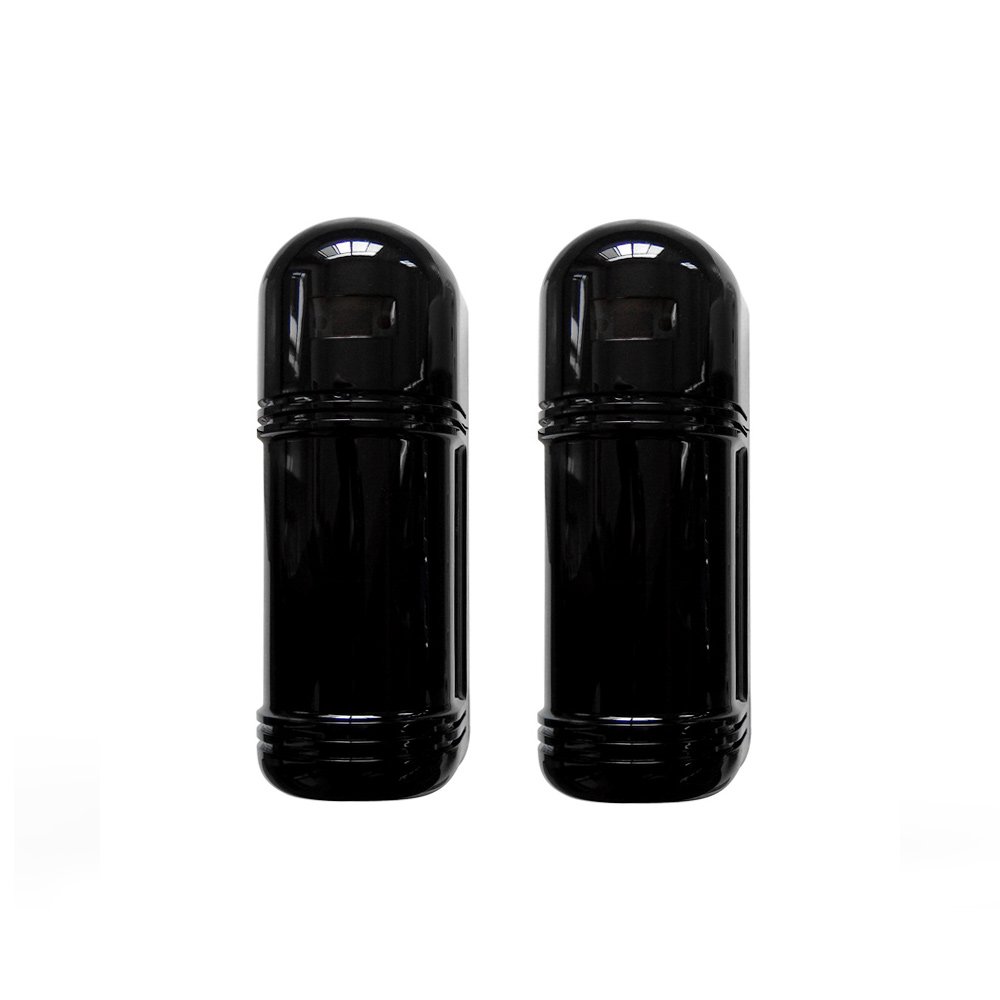
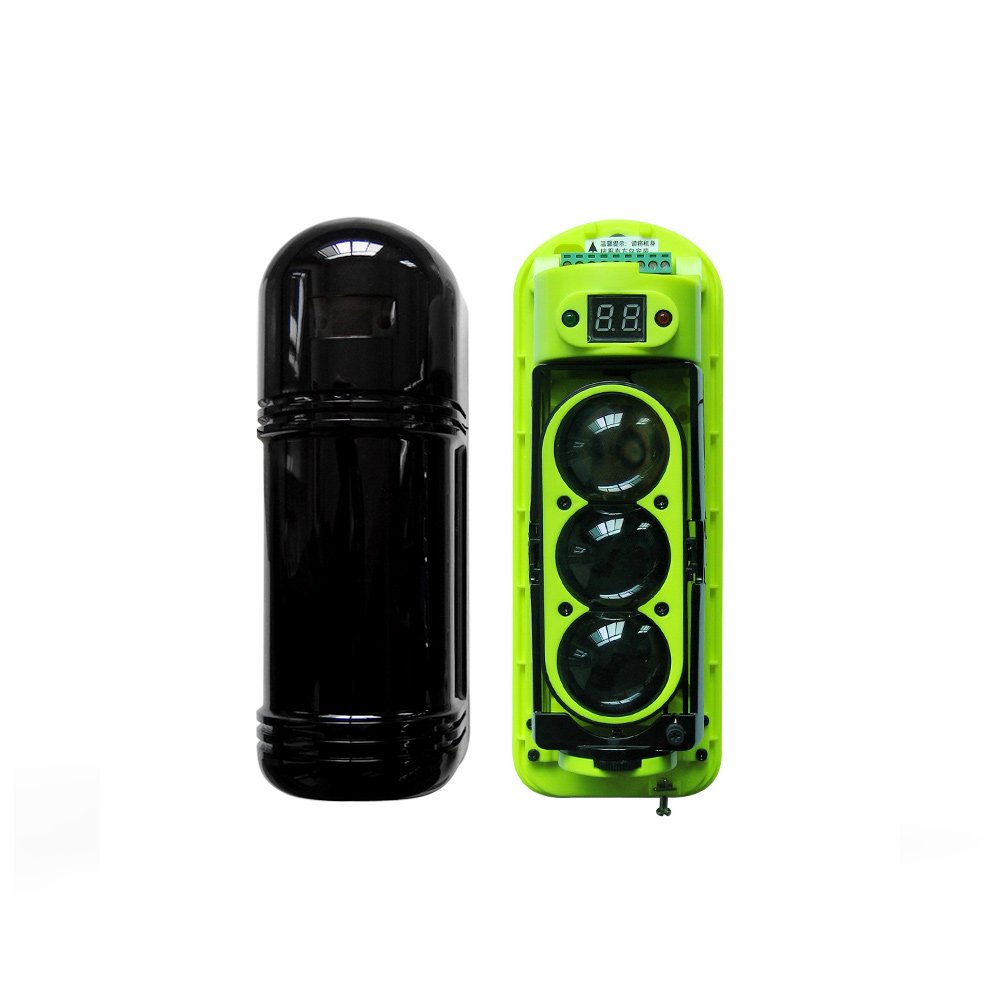
Description
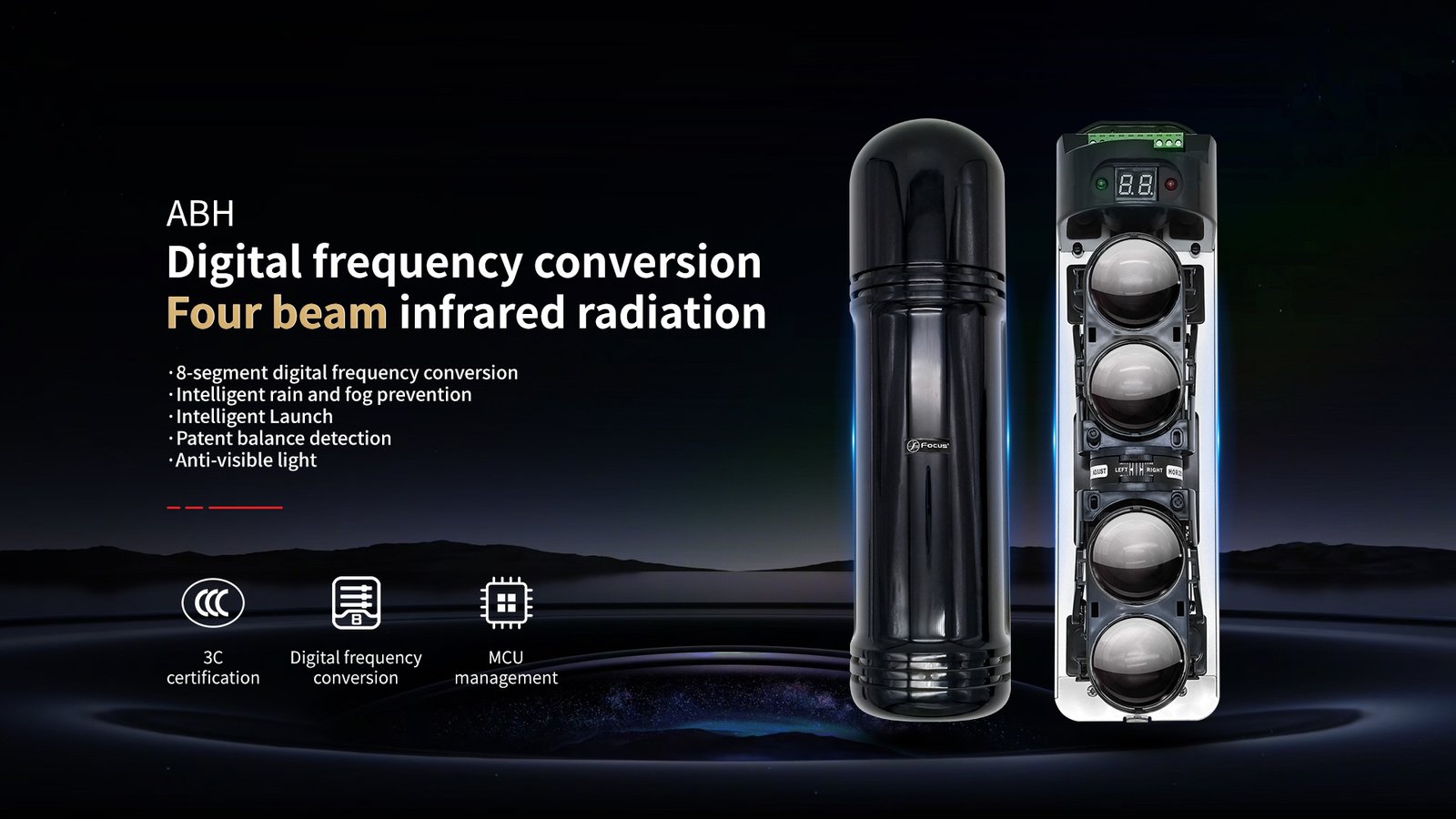
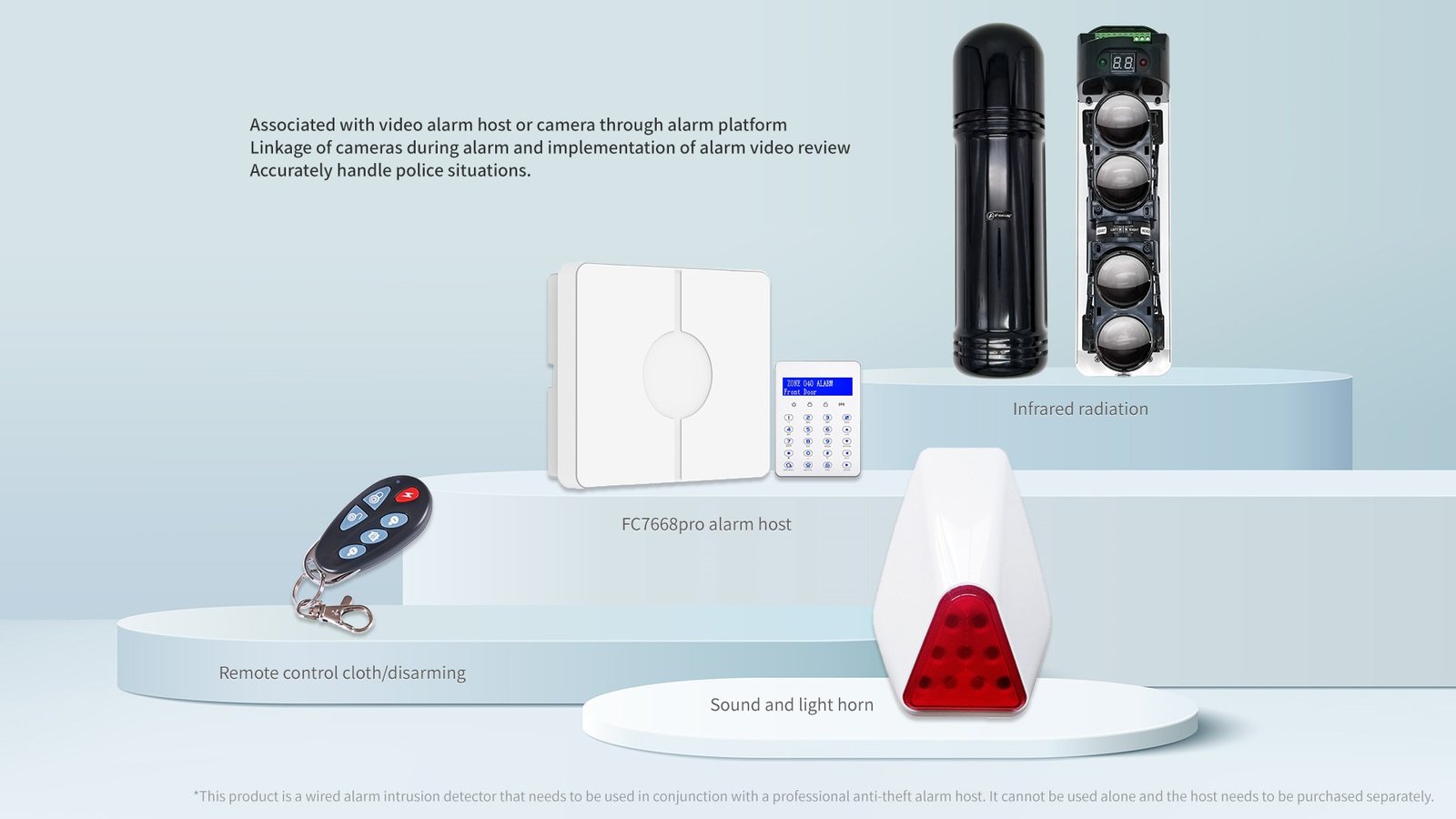
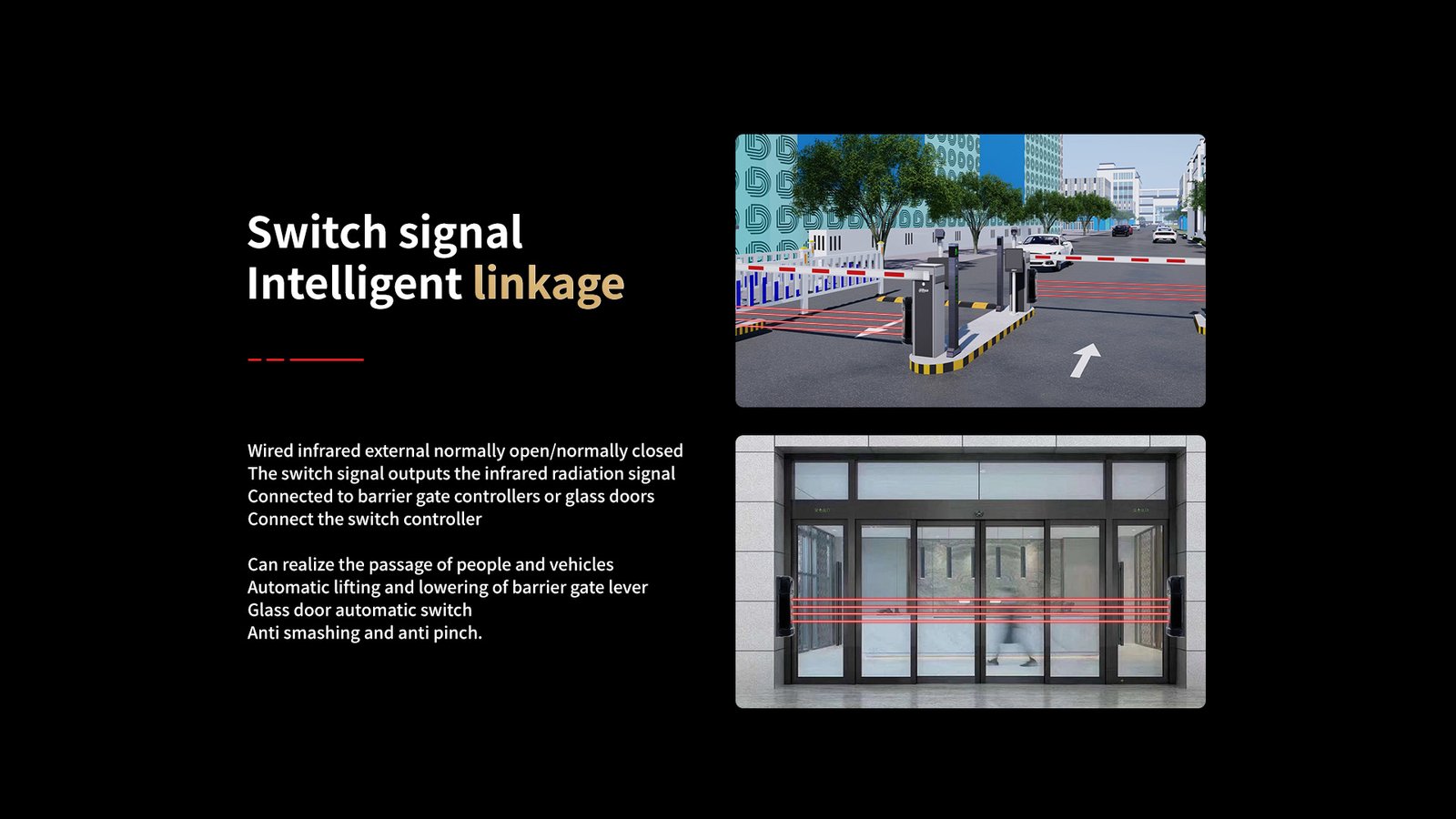



Detailed Features:
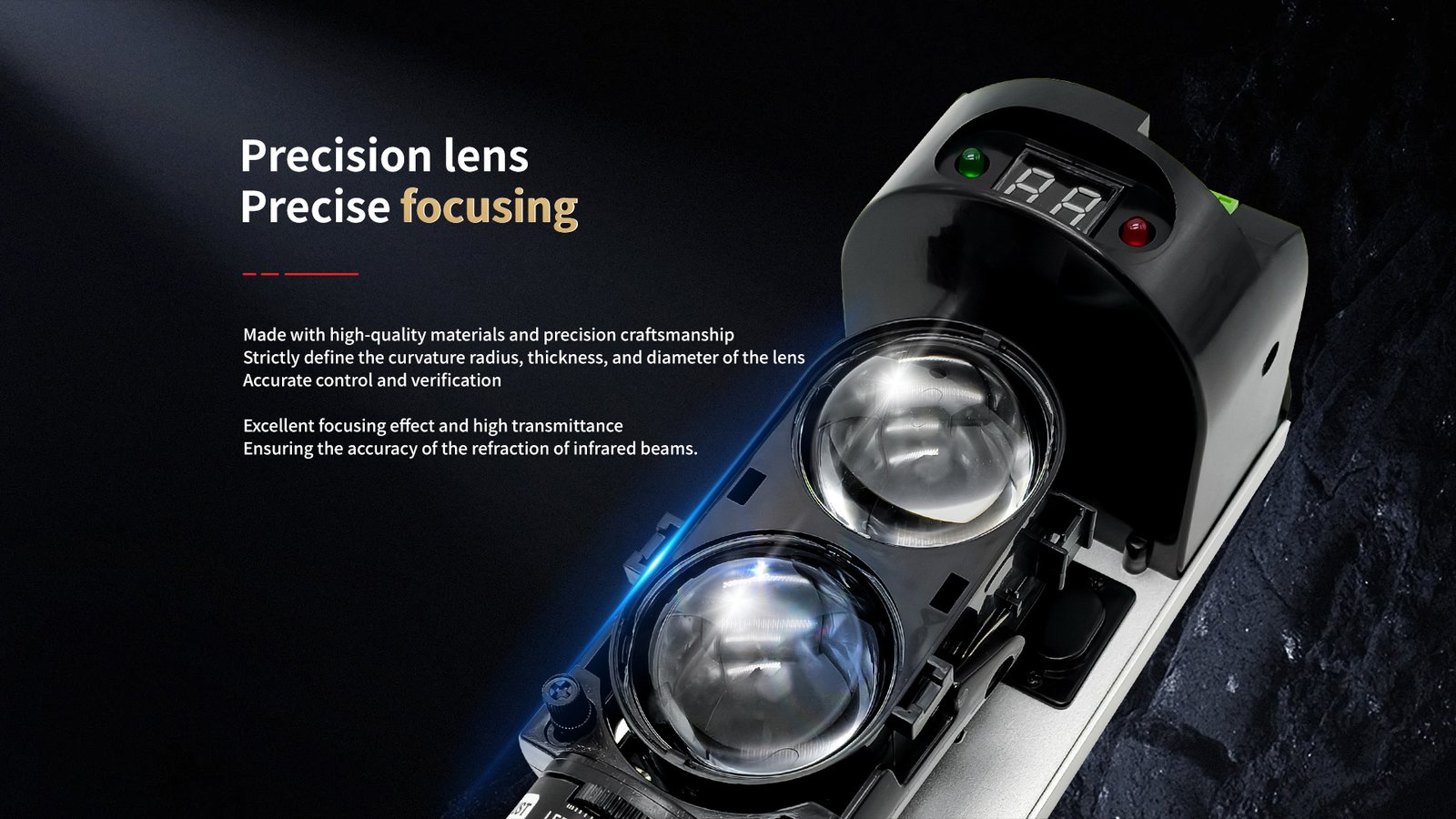
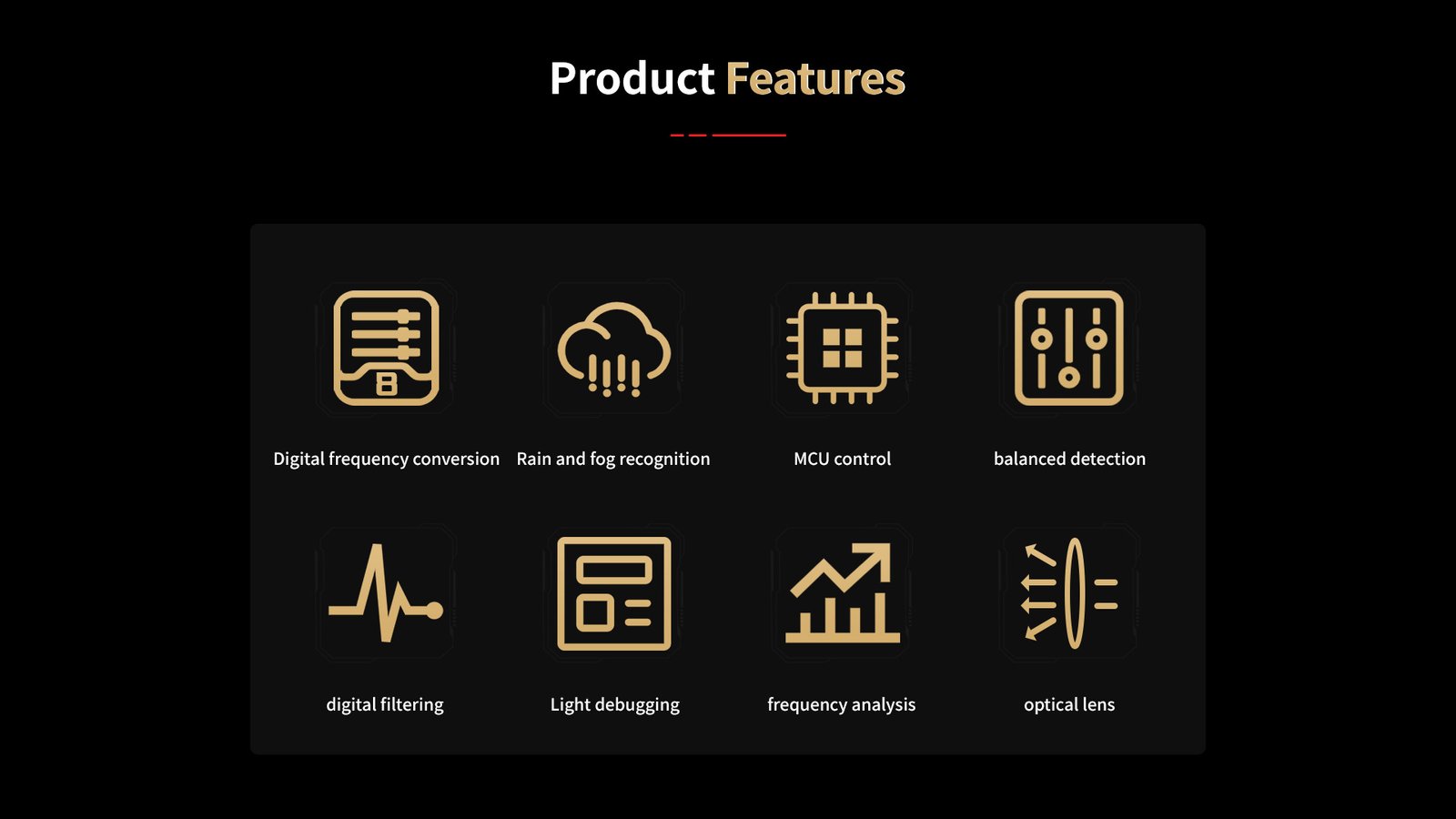
1. Three Groups Coaxial Aspherical Dual-Focus Exact Optical Focusing Lens:
- This feature suggests a highly sophisticated optical system which uses coaxial aspherical lenses for dual-focus exact focusing. This configuration allows for superior image quality and precise detection capability, making it extremely effective in identifying intrusions with high accuracy.
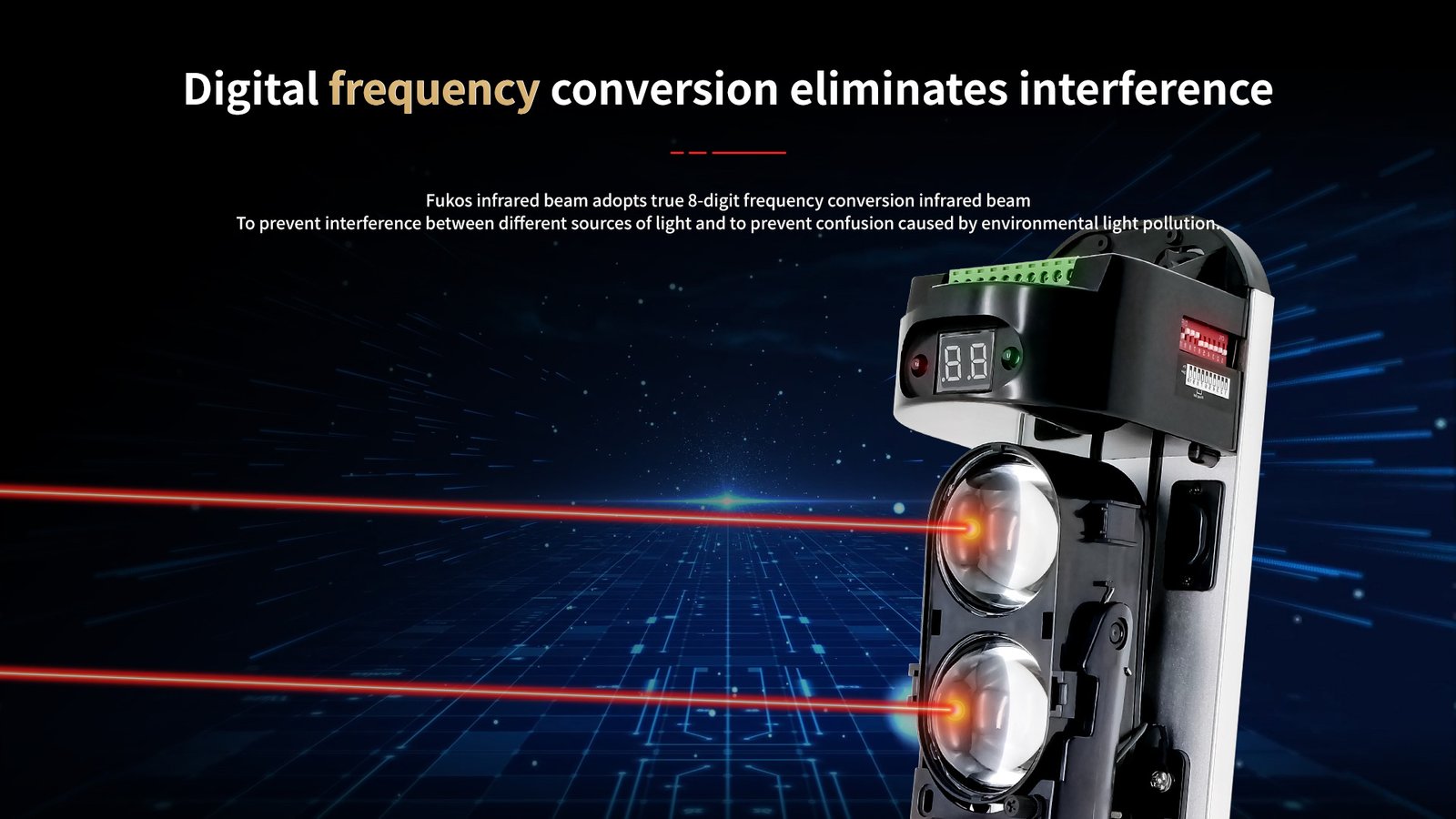
2. Wired/BUS Compatible, 8 Sections Digital Frequency Conversion:
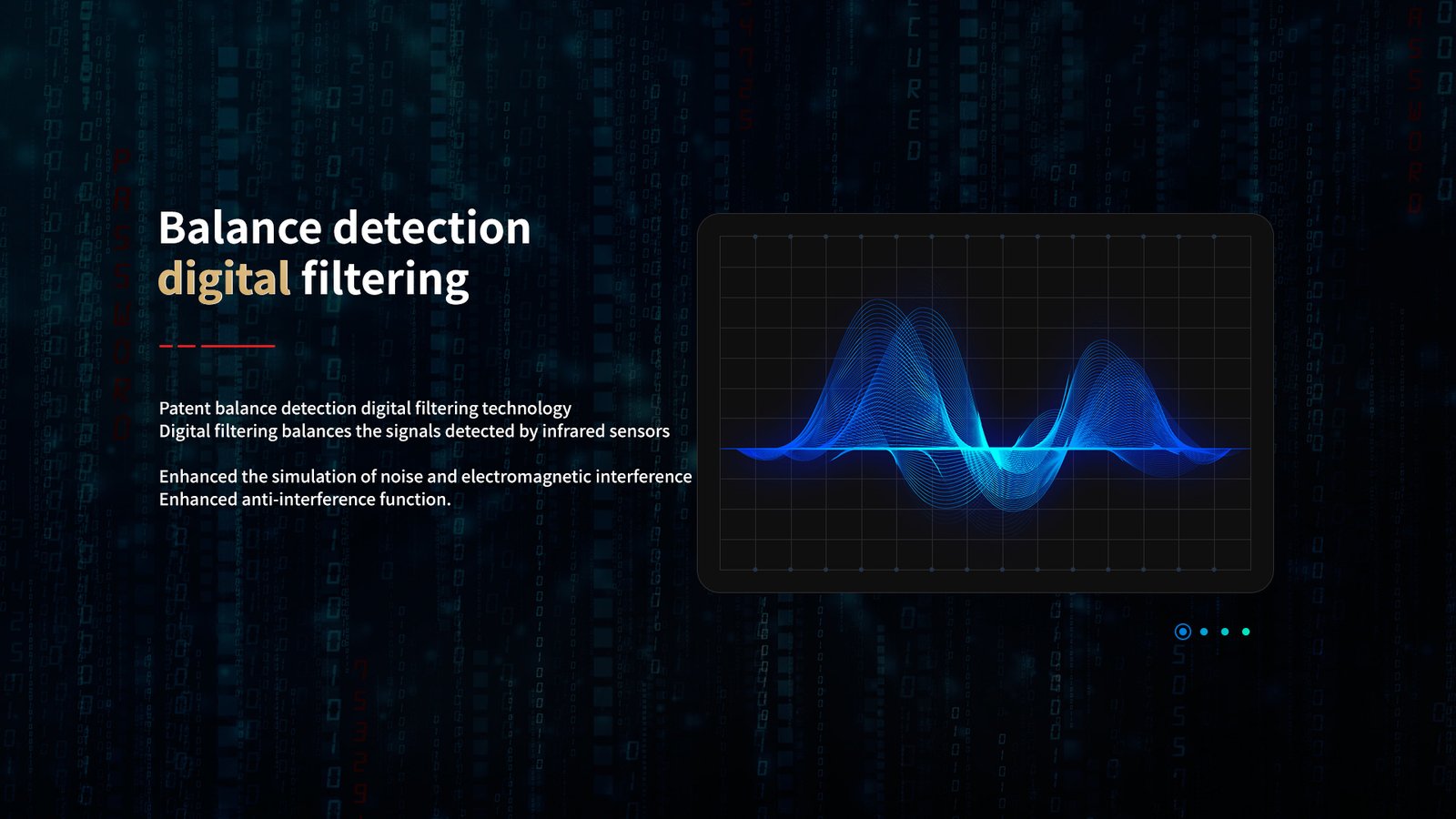
- The system’s compatibility with both wired and BUS systems offers flexibility in installation and integration with existing infrastructure. The 8 sections digital frequency conversion helps in reducing interference, enhancing the clarity and reliability of the transmitted data.
3. Dynamic Frequency Analysis, Intelligent Alarm Linkage:
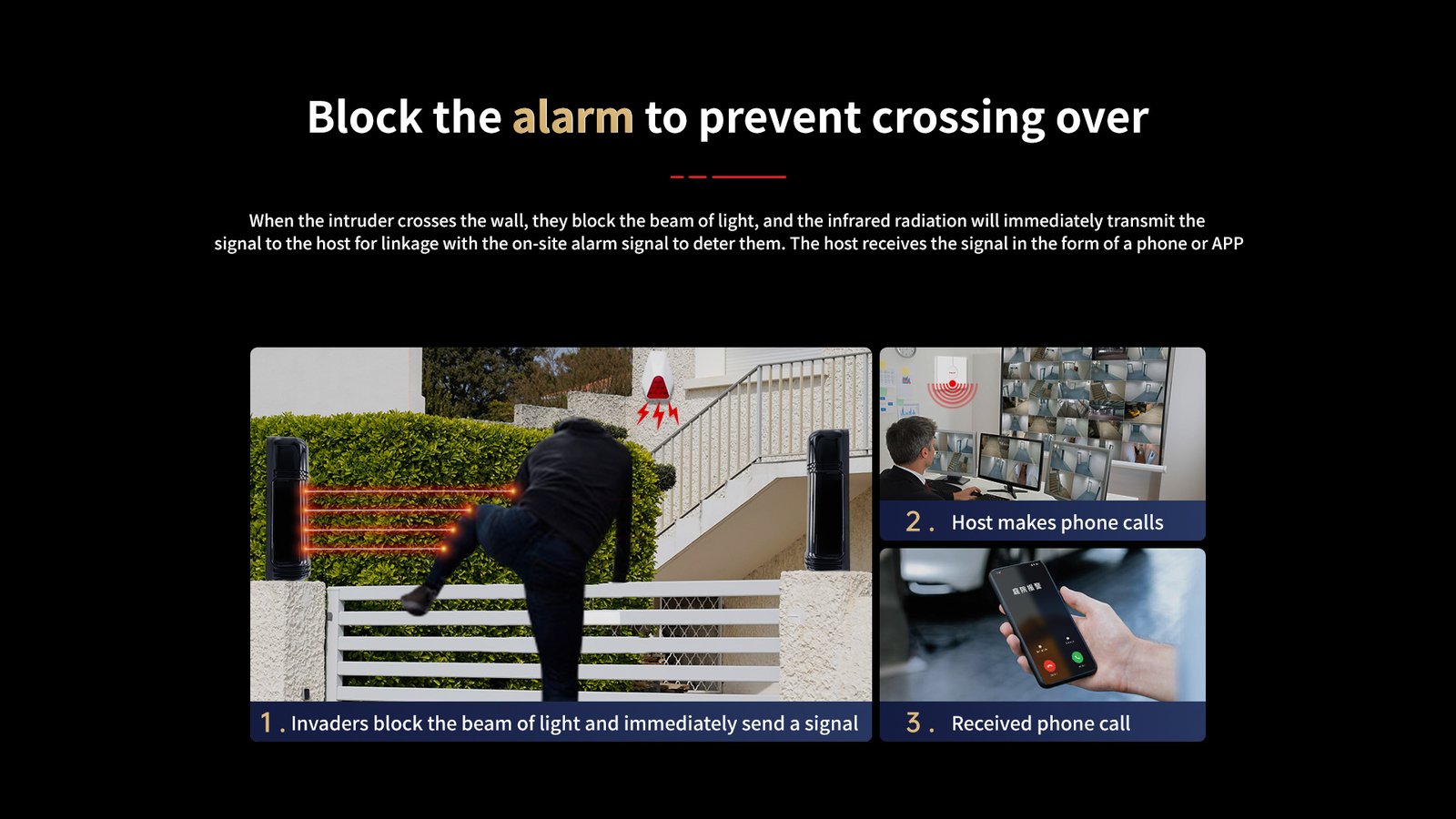
- Dynamic frequency analysis likely refers to the system’s ability to analyze frequency patterns to detect anomalies or potential threats, enhancing its detection capabilities. Intelligent alarm linkage means that the system can automatically connect and coordinate with other security systems or triggers based on detected threats, for a quicker and more efficient response.
4. Receiving and Transmitting Synchronously Display, Intelligent Rain/Fog Recognition Function:
- This implies that the system can display the status of both receiving and transmitting units in real-time, which aids in monitoring and troubleshooting. The intelligent rain/fog recognition function allows the system to distinguish between genuine security threats and false alarms caused by weather conditions, thus improving its operational effectiveness in all weather.
5. Real-Time Status Report, Non-Contact Relay:
- The real-time status report feature ensures that users are always informed about the system’s operational status. Non-contact relay technology enhances the durability of the system by reducing physical wear and tear, which is common in traditional relay systems.
6. Wide Range Power Application, Transmission Power Can Be Adjusted Intelligently:
- This feature indicates that the system can operate across a wide range of power inputs, making it versatile for different installation environments. Intelligent adjustment of the transmission power helps in conserving energy and adapting the system’s performance according to the distance and characteristics of the monitored area.
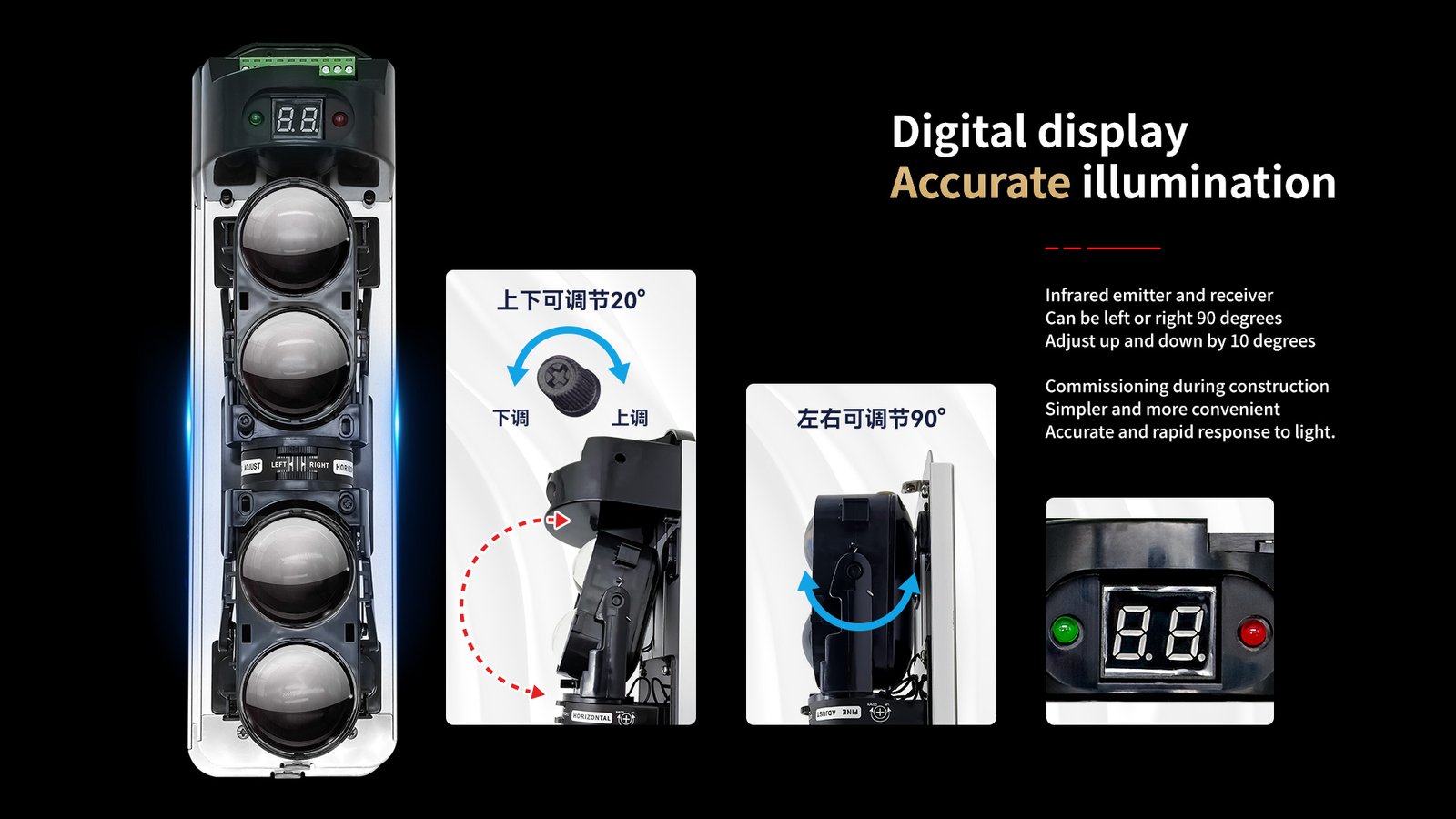
7. Digital Display BUS Address, Signal Strength and Working Frequency:
- A digital display that shows the BUS address, signal strength, and working frequency makes it easier to configure and manage the system efficiently. This facilitates better control and fine-tuning of the system settings based on specific requirements and conditions.
Applications:
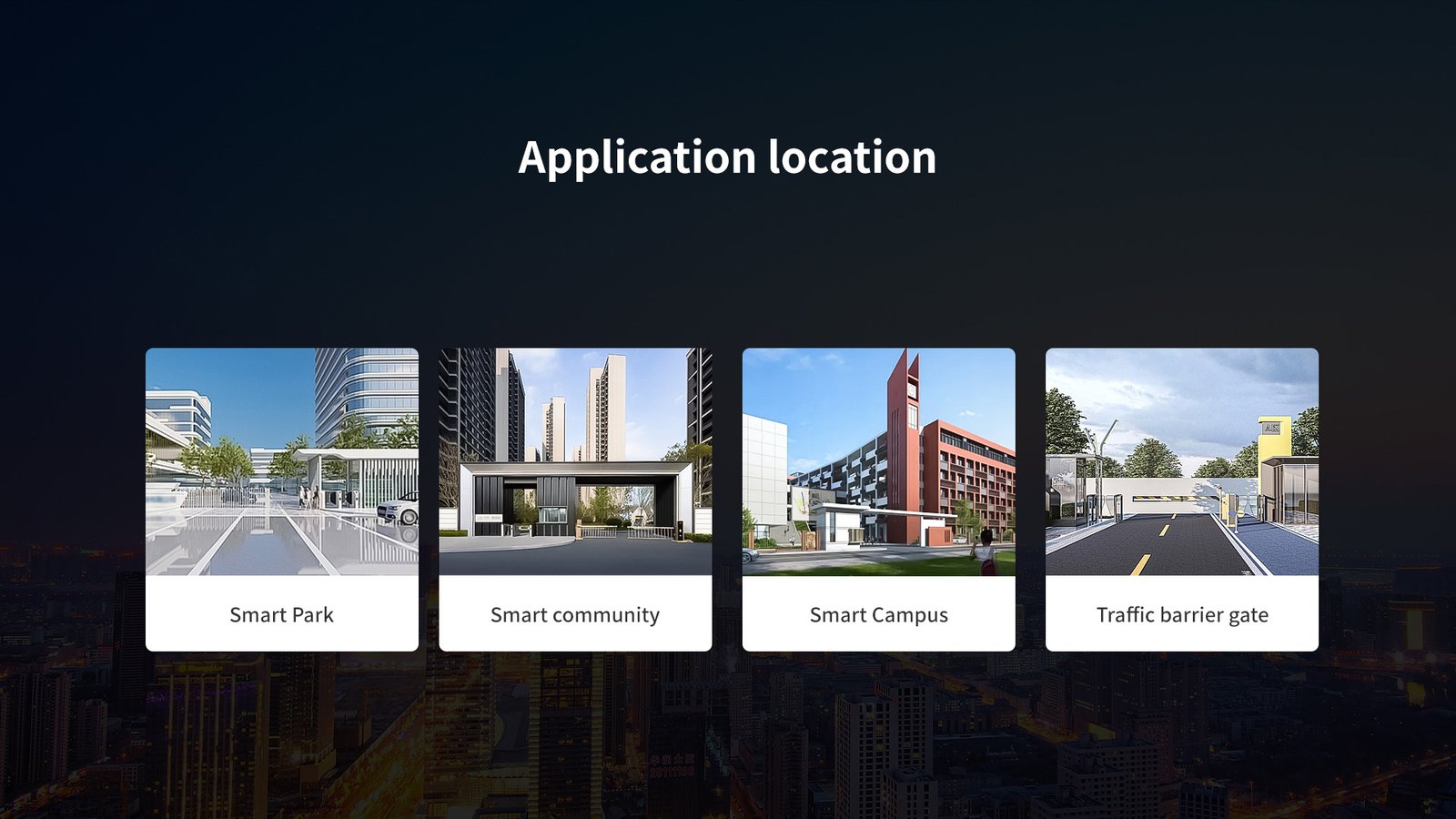
- Critical Infrastructure: Such as airports, nuclear power plants, and government facilities where high security and precise, reliable surveillance systems are crucial.
- Commercial Buildings and Large Complexes: Where comprehensive monitoring and integration with other security systems are needed.
- Industrial Settings: Particularly where environmental conditions can vary significantly, affecting the operation of standard security equipment.
Benefits:
- High Precision and Reliability: The advanced optical system ensures high accuracy in detecting threats or anomalies.
- Adaptability: Features like intelligent weather recognition and adjustable transmission power allow the system to operate effectively under various environmental conditions.
- Enhanced Integration and Monitoring: Real-time status updates, digital display for easy configuration, and intelligent alarm linkage offer improved control and easier integration with broader security frameworks.
- Energy Efficiency and Durability: Intelligent power management and non-contact relay technology contribute to lower operational costs and longer system life.


