
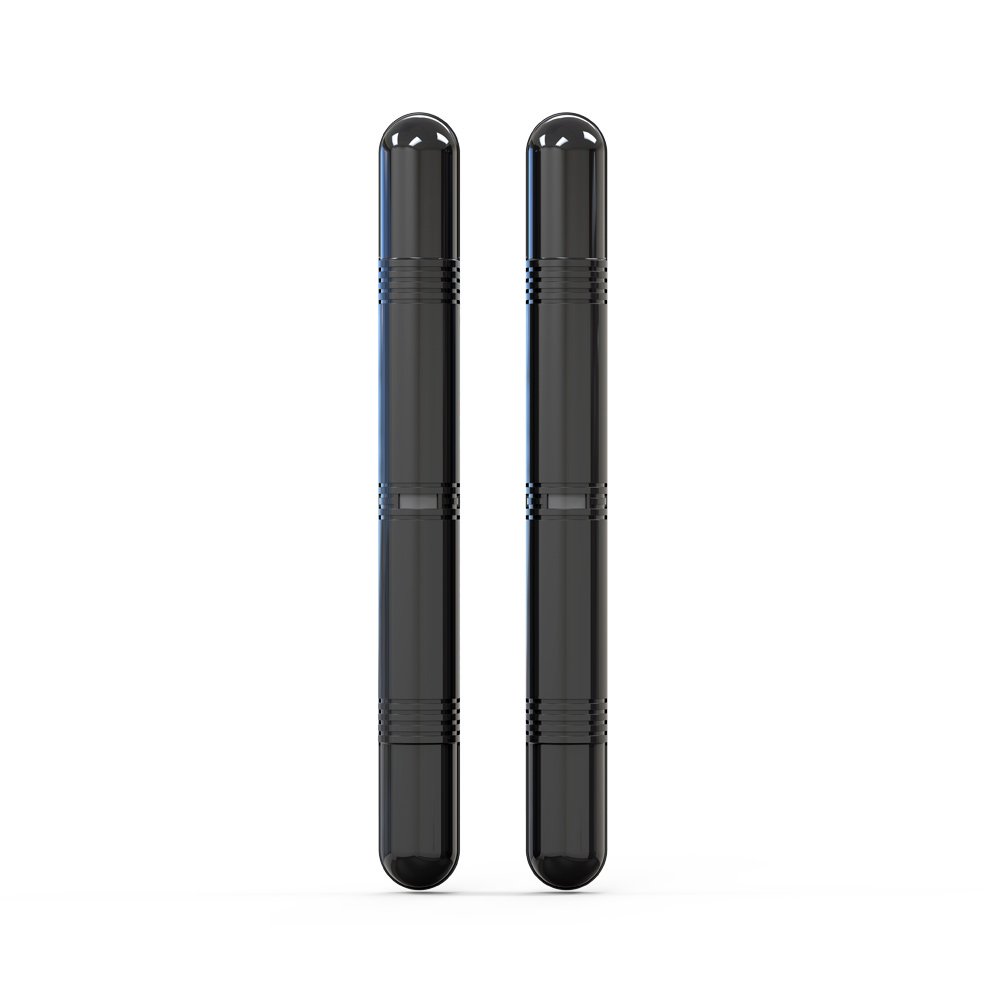
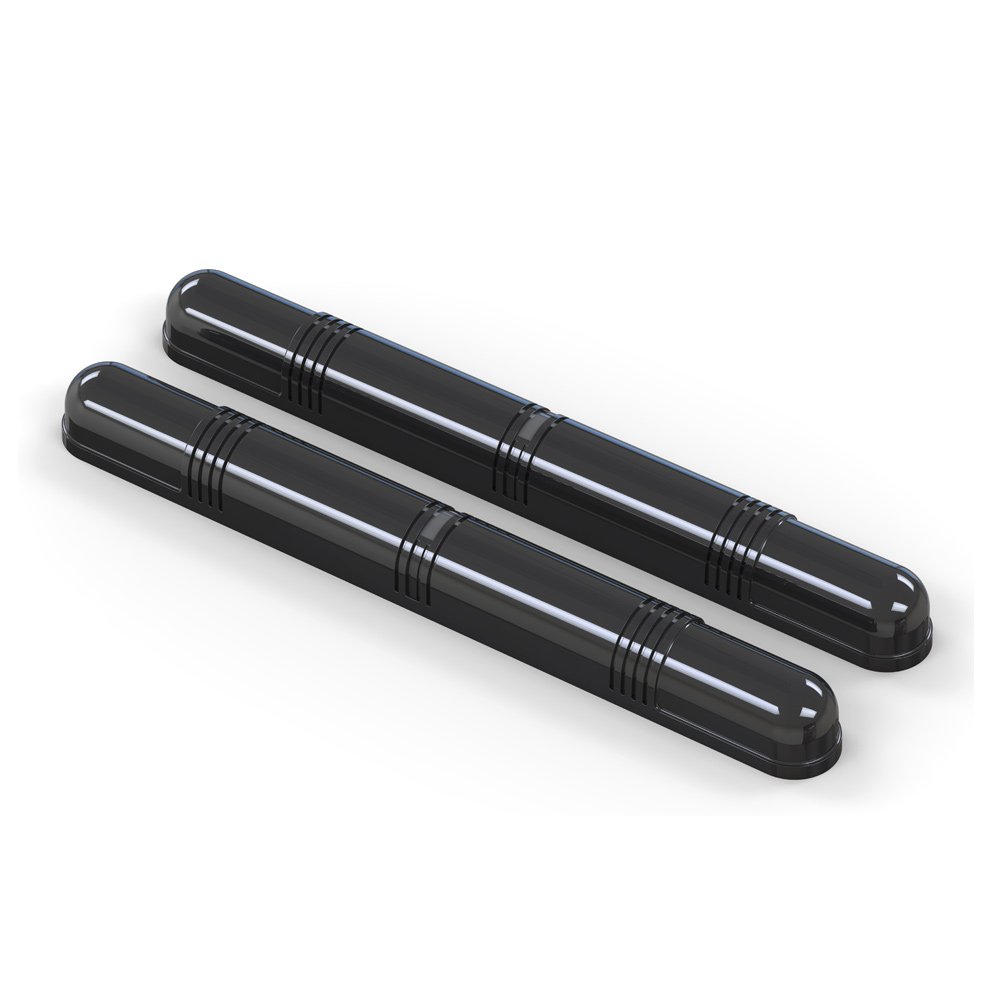
Description
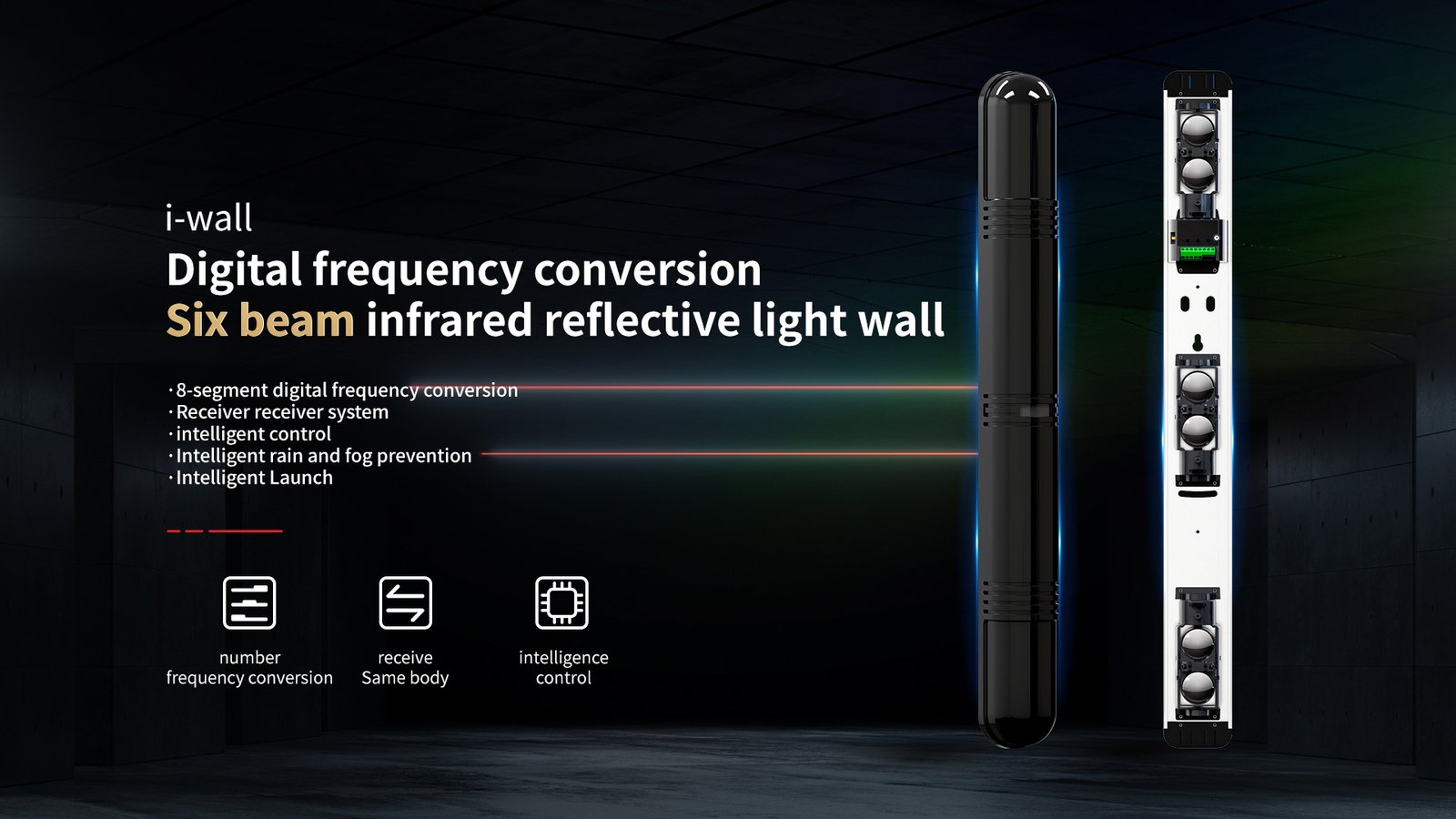
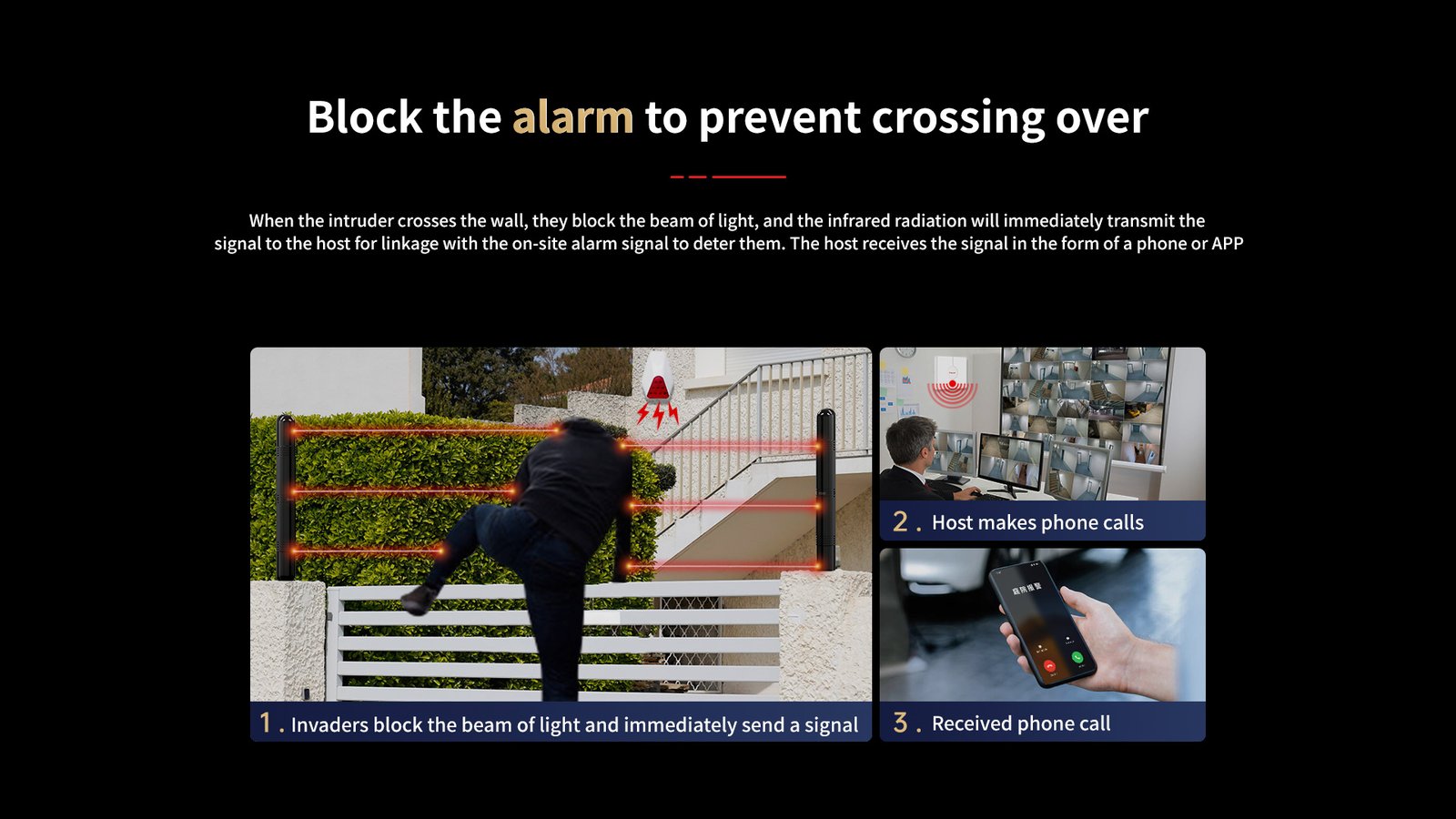

Description and Features:
1. Infrared Detection Technology:
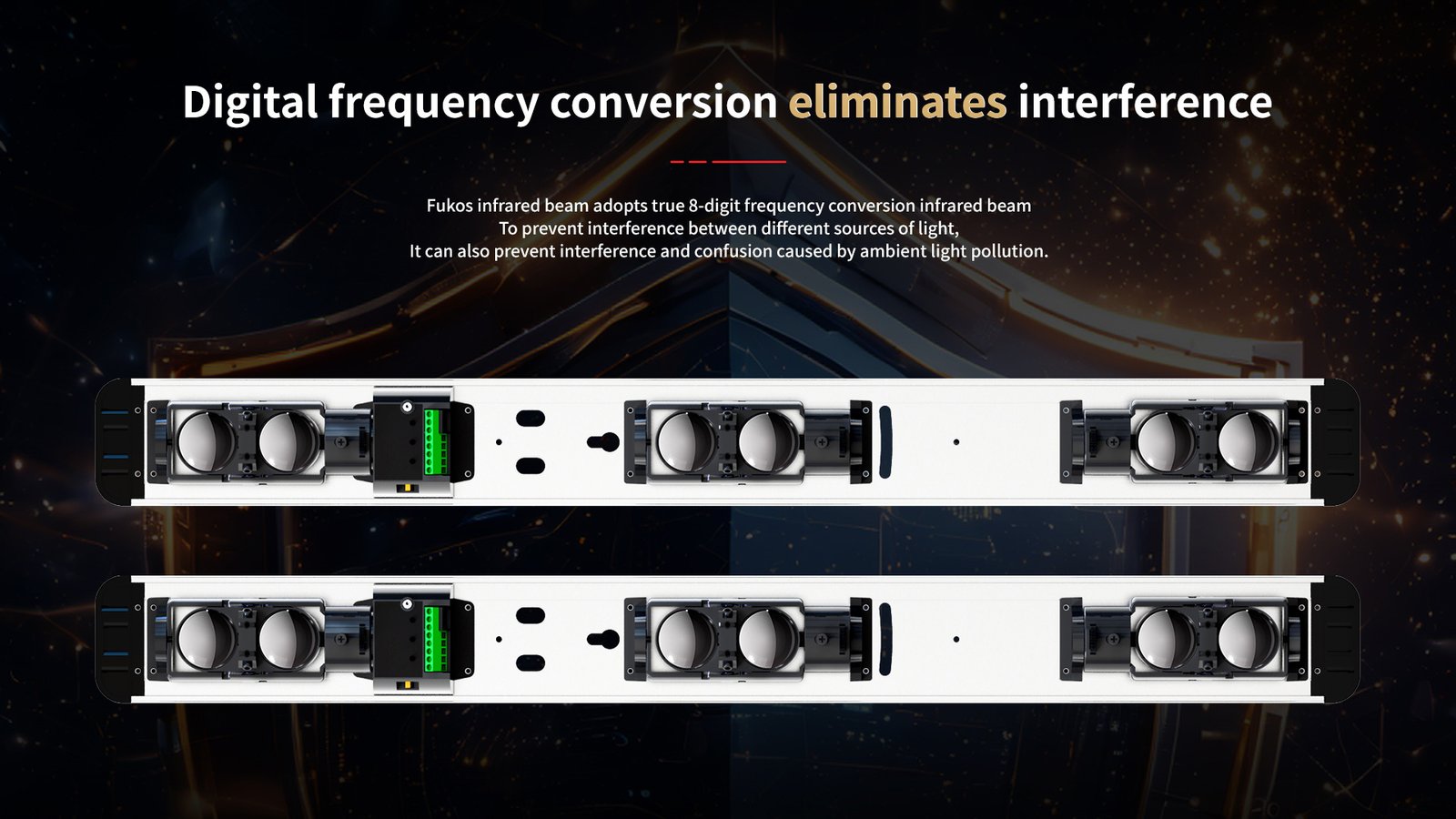
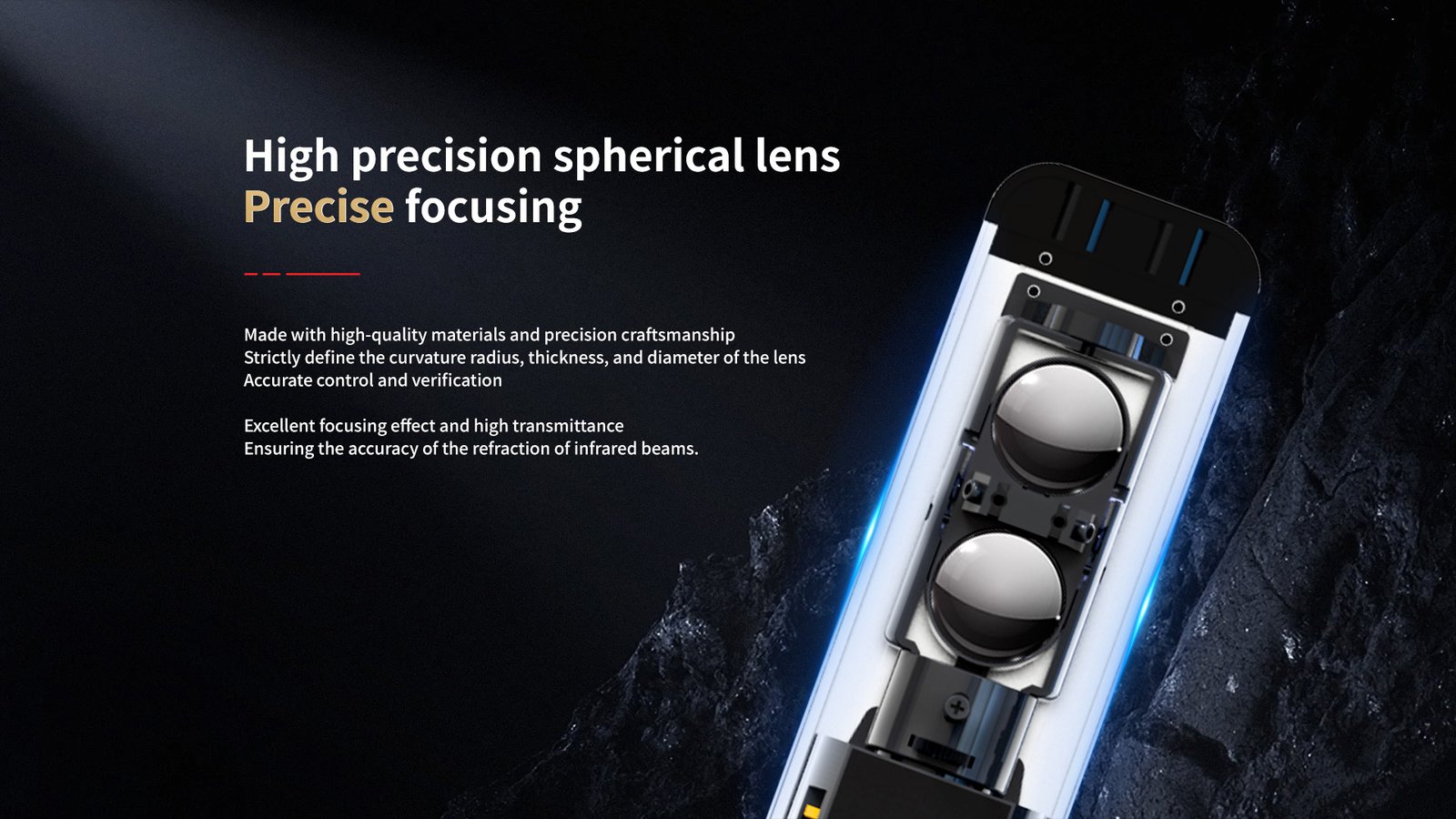
- Utilizes a network of infrared sensors and emitters to create an invisible “wall” or “curtain”. This wall detects any interruption caused by an object or person passing through the infrared beams.
2. Vertical Installation:
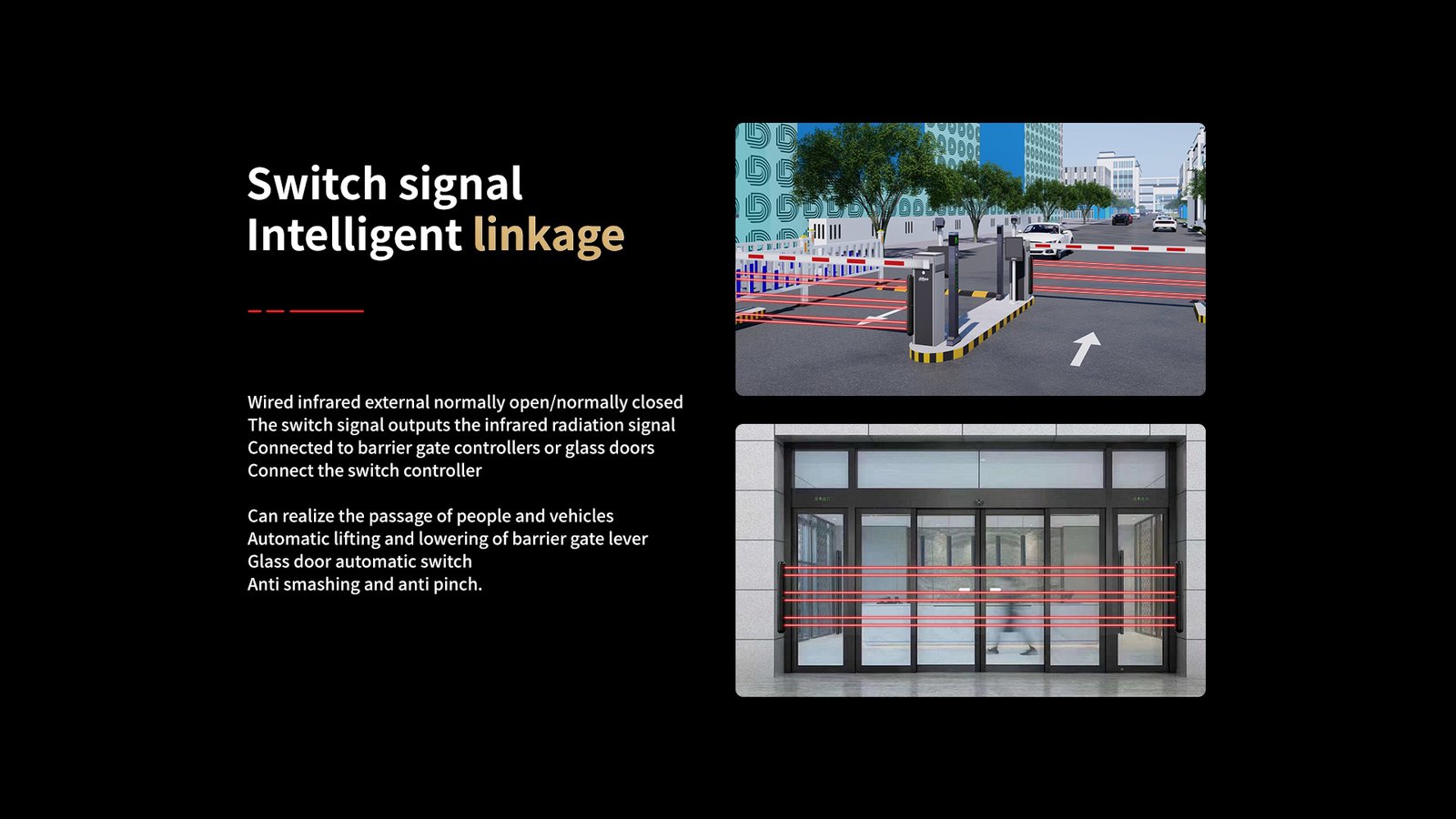
- Unlike traditional horizontal beam setups, curtain walls are installed vertically, covering windows, doorways, or other vertical openings. This setup helps in monitoring any unauthorized entries or exits through these passages.
3. Smart Integration:
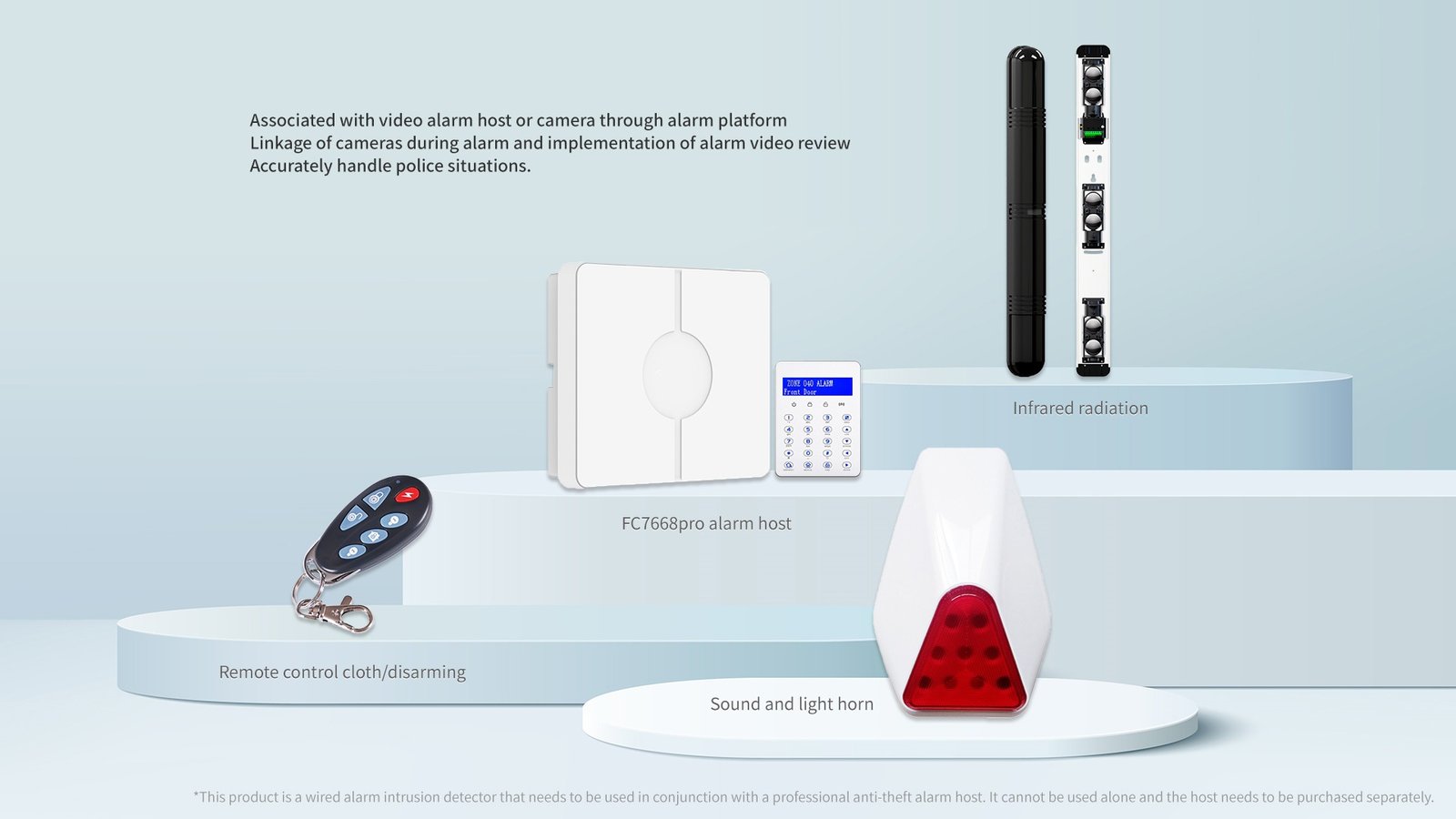
- These systems can typically be integrated into a building’s overall security management system, allowing for centralized monitoring and control. They can also connect to other systems like CCTV, alarms, and access control systems for a comprehensive security solution.
4. Adaptive Sensitivity:
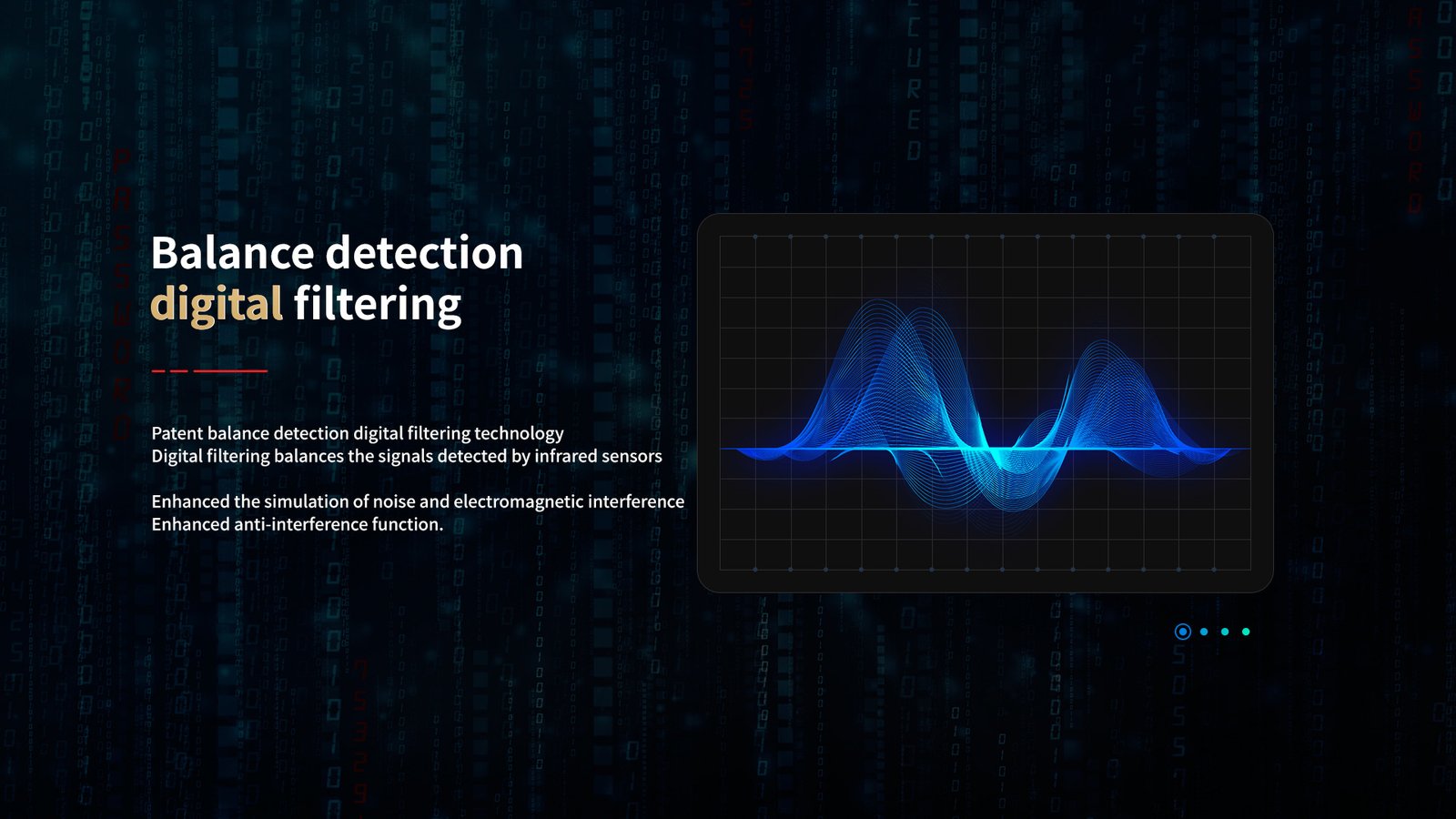
- Features adaptive sensitivity settings that can distinguish between different sizes of objects, effectively reducing false alarms caused by small animals or environmental elements like leaves or debris.
5. Customizable Coverage:
- The length and breadth of the infrared curtain can generally be customized based on the specific requirements of the installation site, providing flexibility and ensuring complete coverage without any gaps.
6. Low-profile Design:
- Designed to be unobtrusive and easily integrated into the existing architecture without affecting the aesthetics of the building. This makes it ideal for locations where visible security measures might be undesirable.
7. Environment Adaptability:
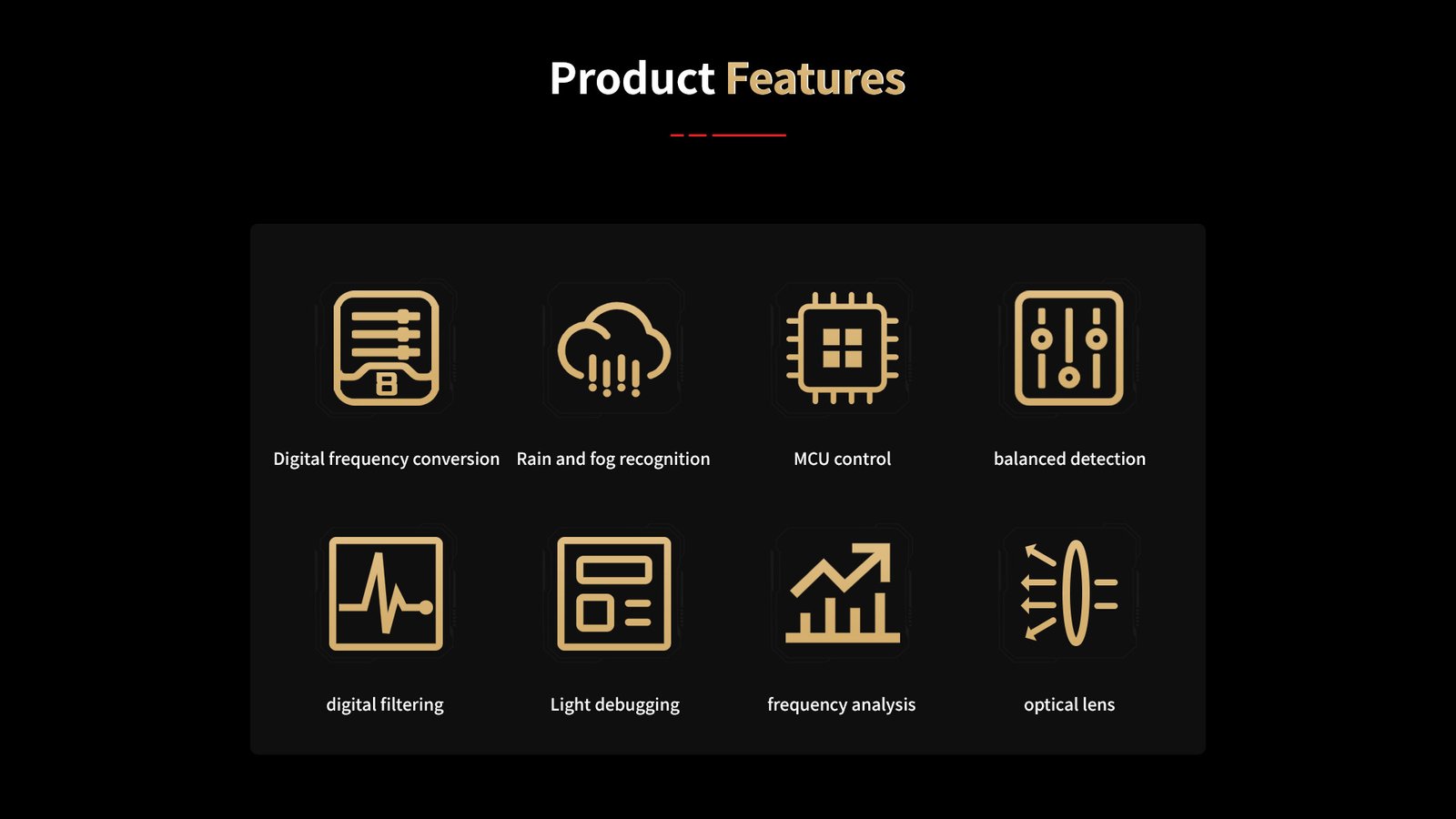
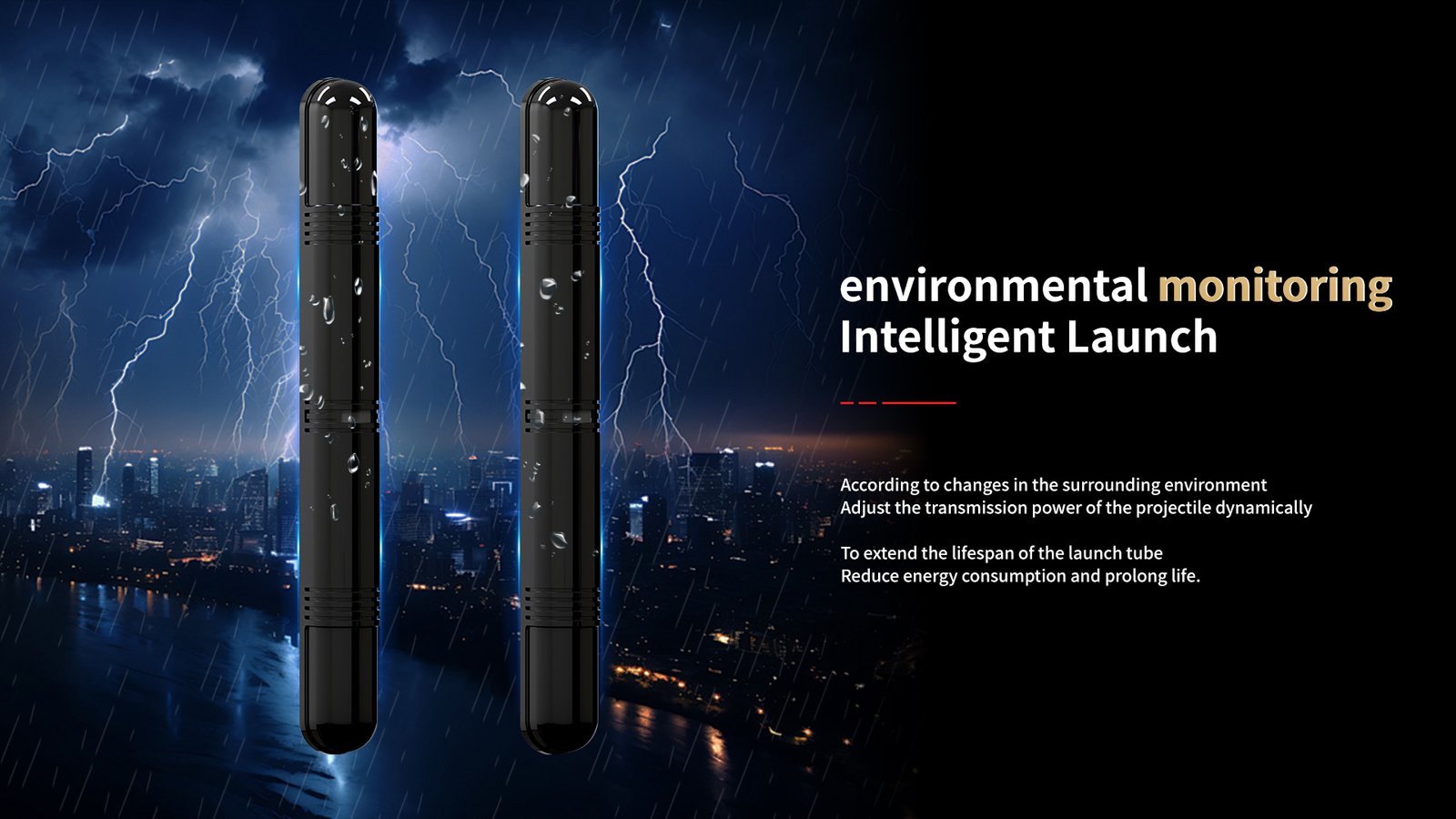
- Equipped with technology that adjusts to various environmental conditions such as rain, fog, and direct sunlight to maintain optimal functionality and minimize false alarms.
Applications:
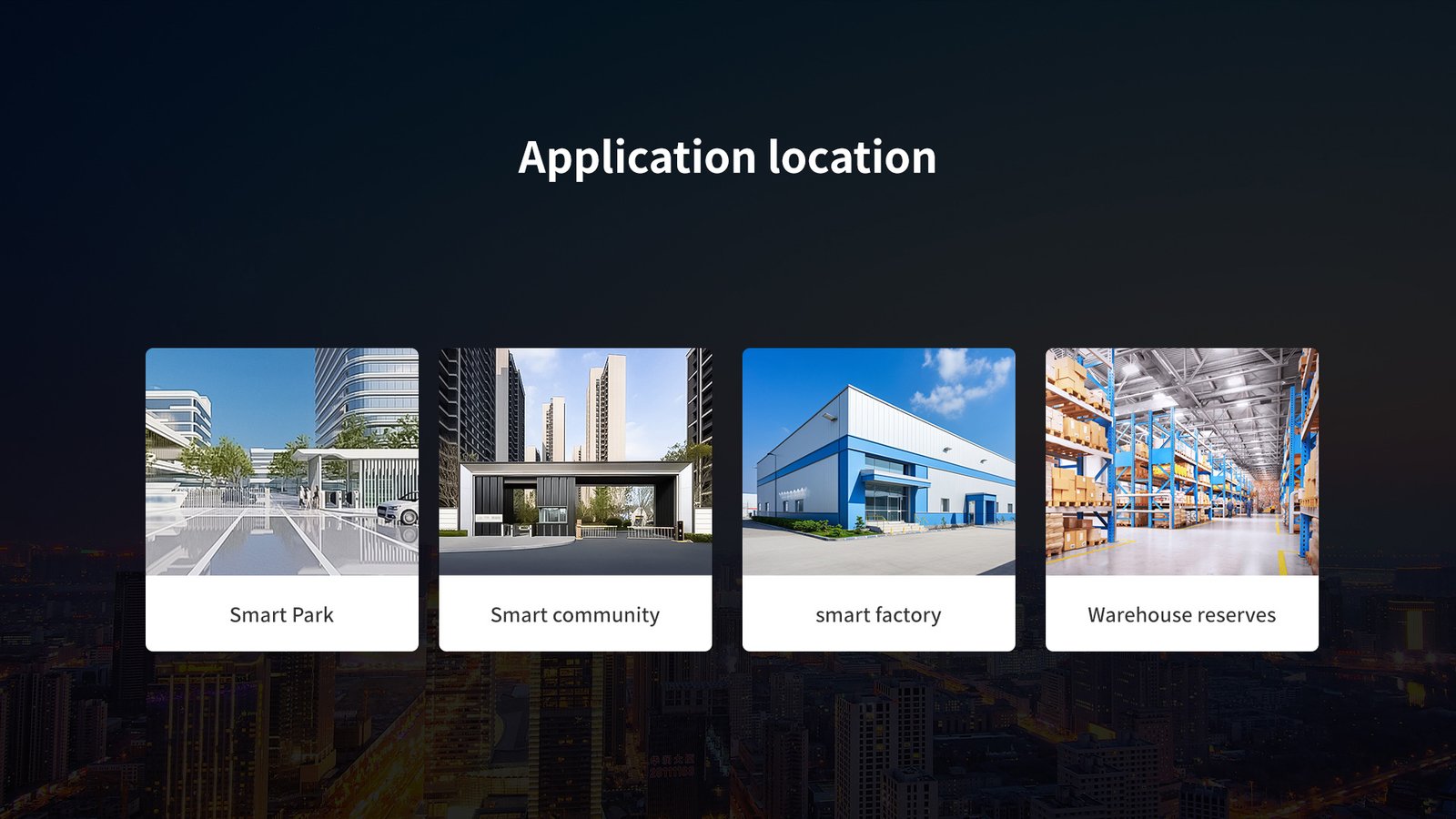
- Commercial Buildings: For businesses that require discreet security solutions, particularly in front-facing areas like windows and main entrances.
- Residential Complexes: Used in private homes or residential complexes, especially in high-rise buildings to secure balcony doors and windows.
- Banks and Financial Institutions: Ideal for environments requiring high security with minimal physical interference.
- Museums and Art Galleries: Protects valuable exhibits without obstructing the view or altering the ambiance of the space.
- Government Buildings: Useful in securing sensitive areas without compromising the formal aesthetic.
Benefits:
- Enhanced Security: Provides a high level of security by detecting any physical intrusions through protected barriers.
- Aesthetic Integration: Allows for security measures that do not detract from the building’s design or historical value.
- Flexibility in Application: Can be customized to fit various sizes and types of openings, from full building facades to specific windows.
- Reduced False Alarms: Intelligent differentiation between potential threats and non-threats minimizes disruptions and unnecessary responses.