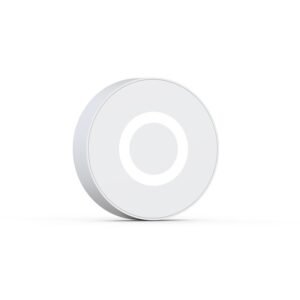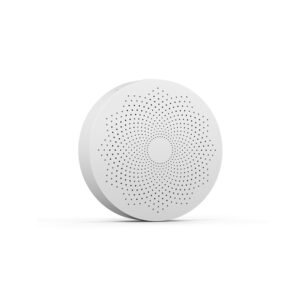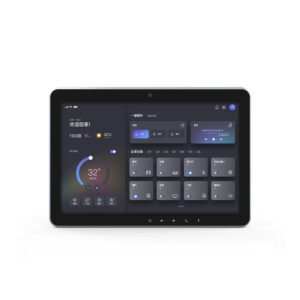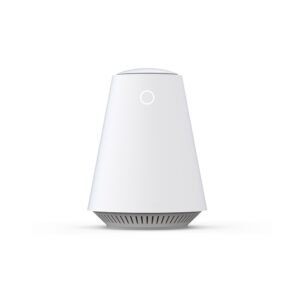
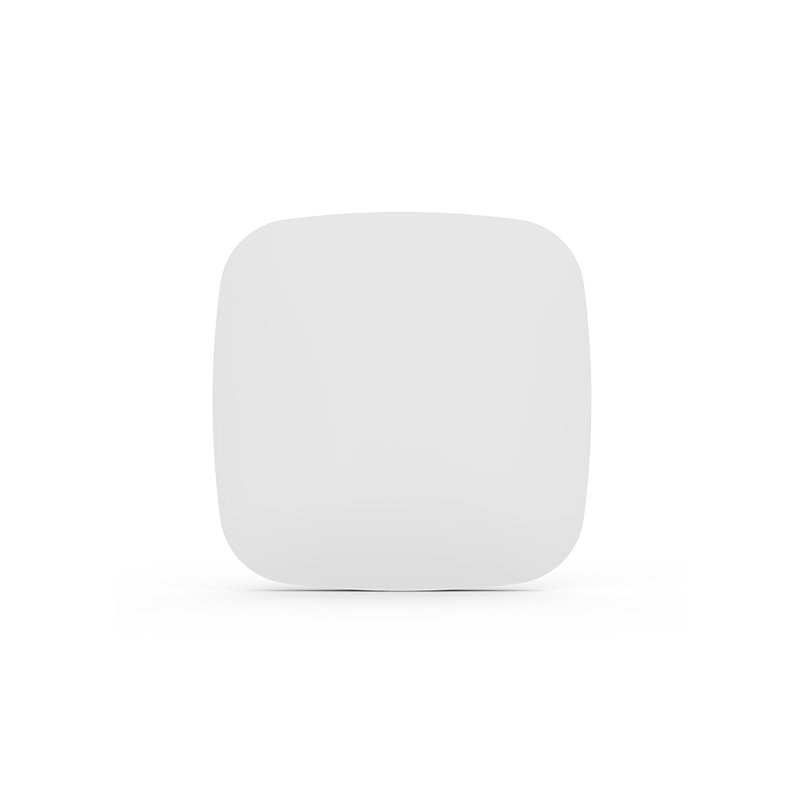
Description
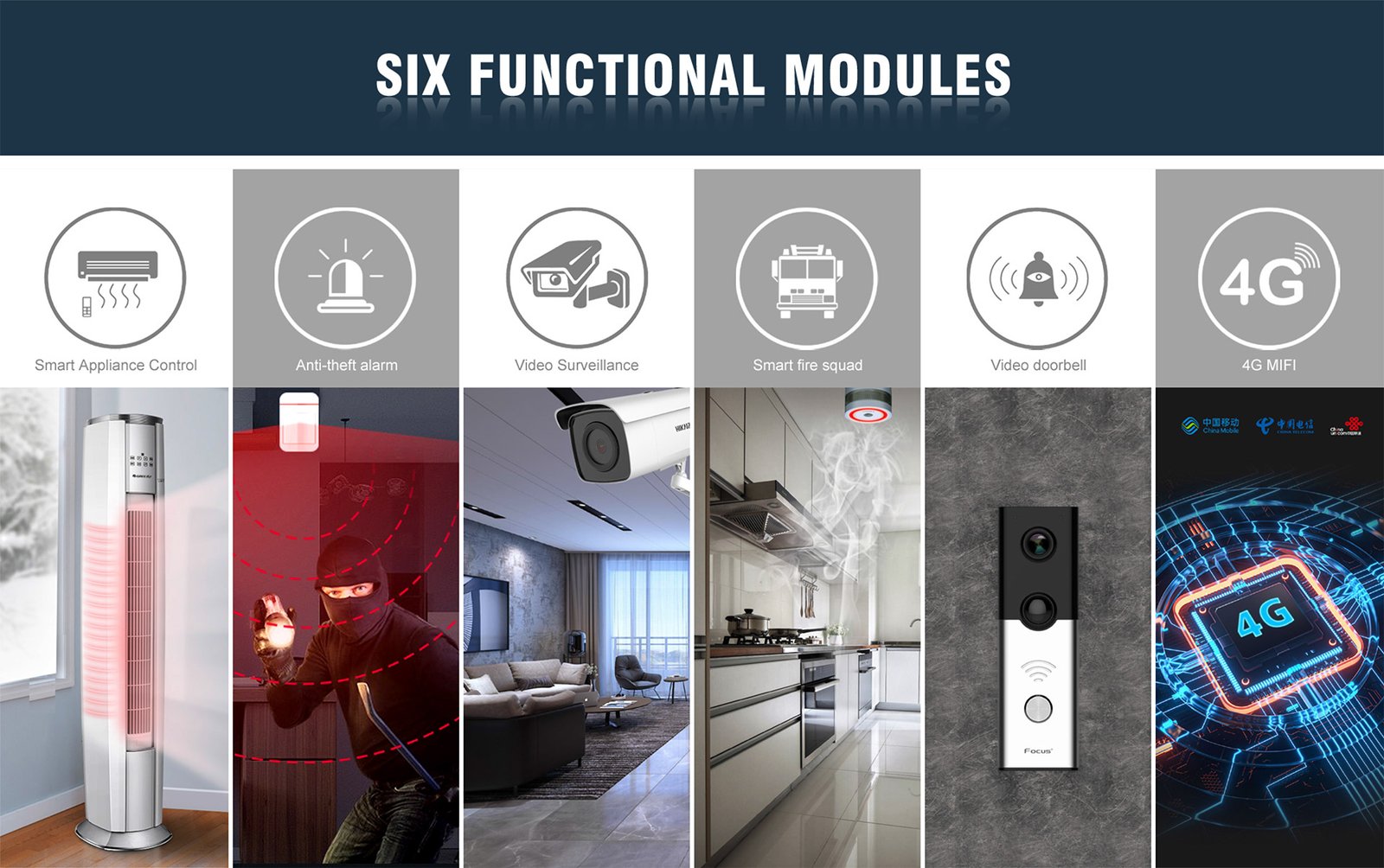
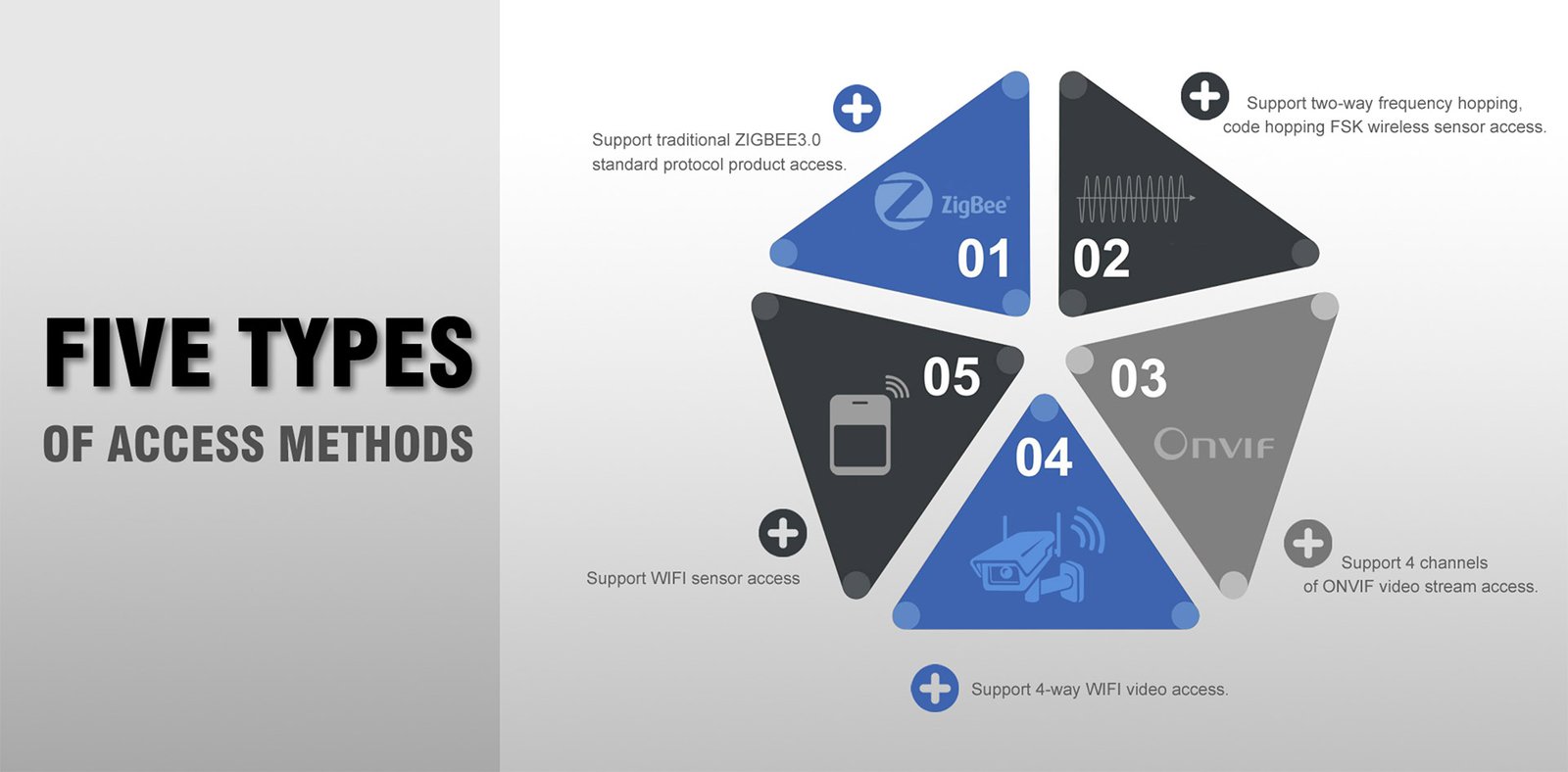
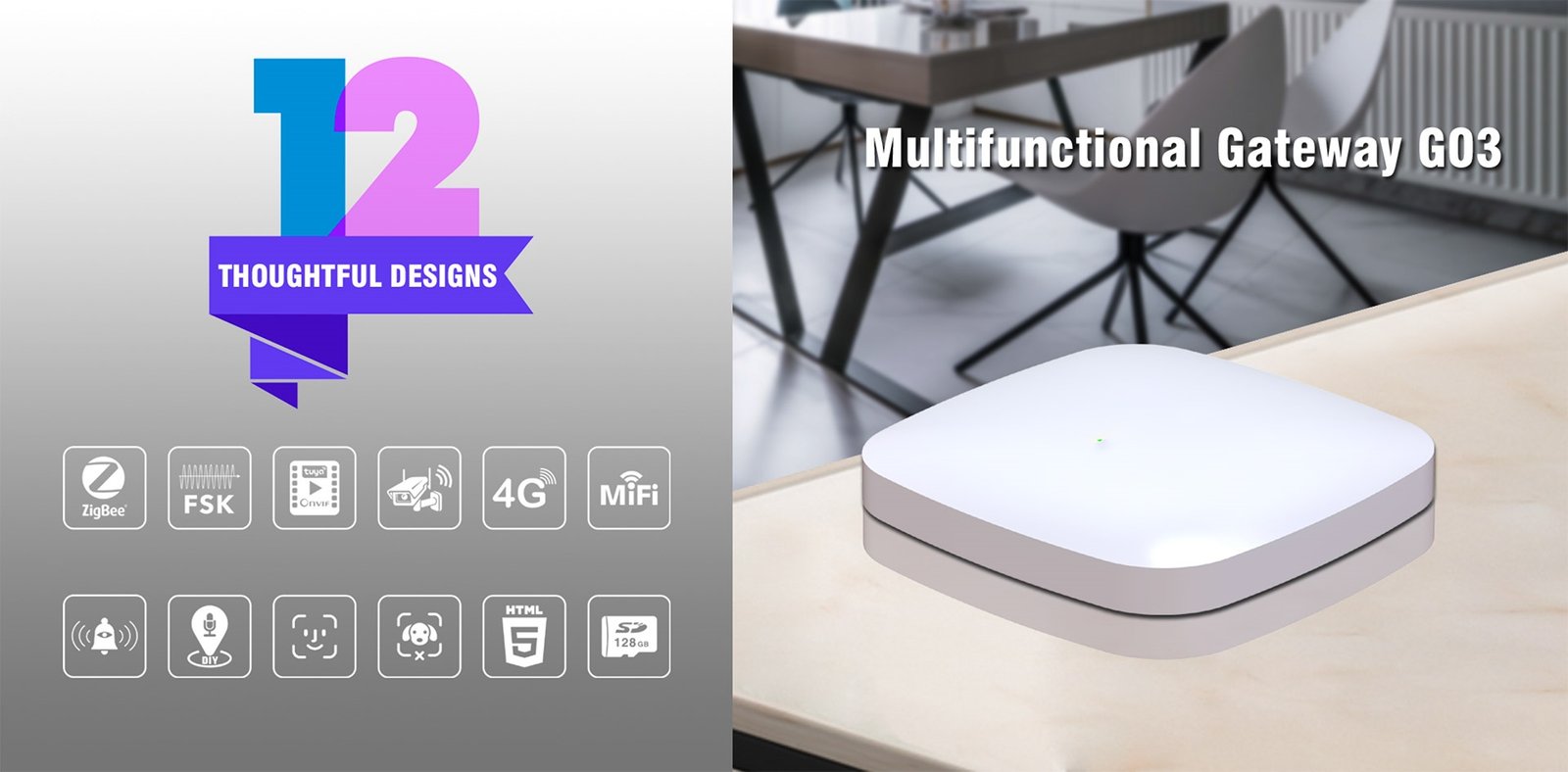
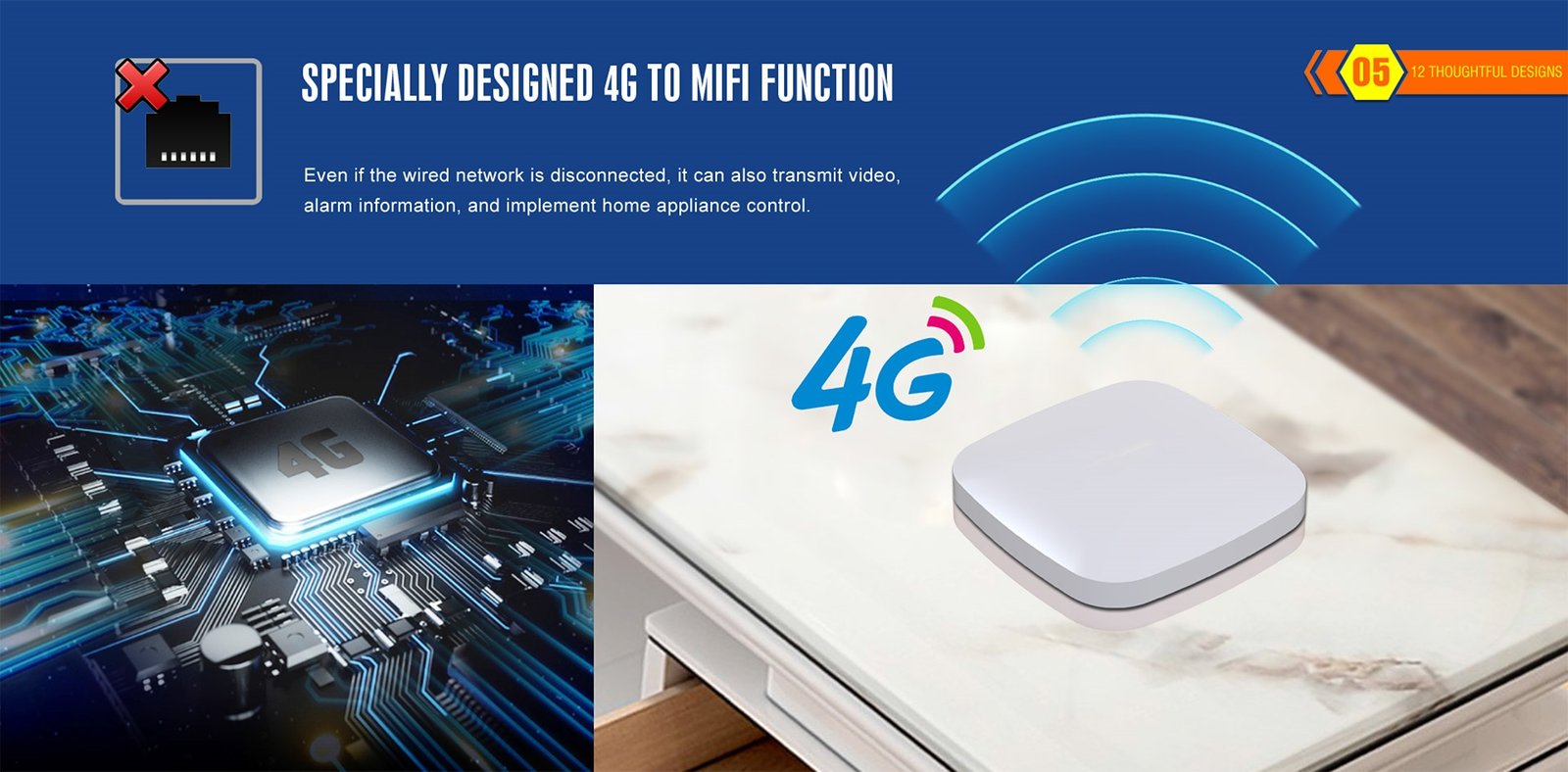
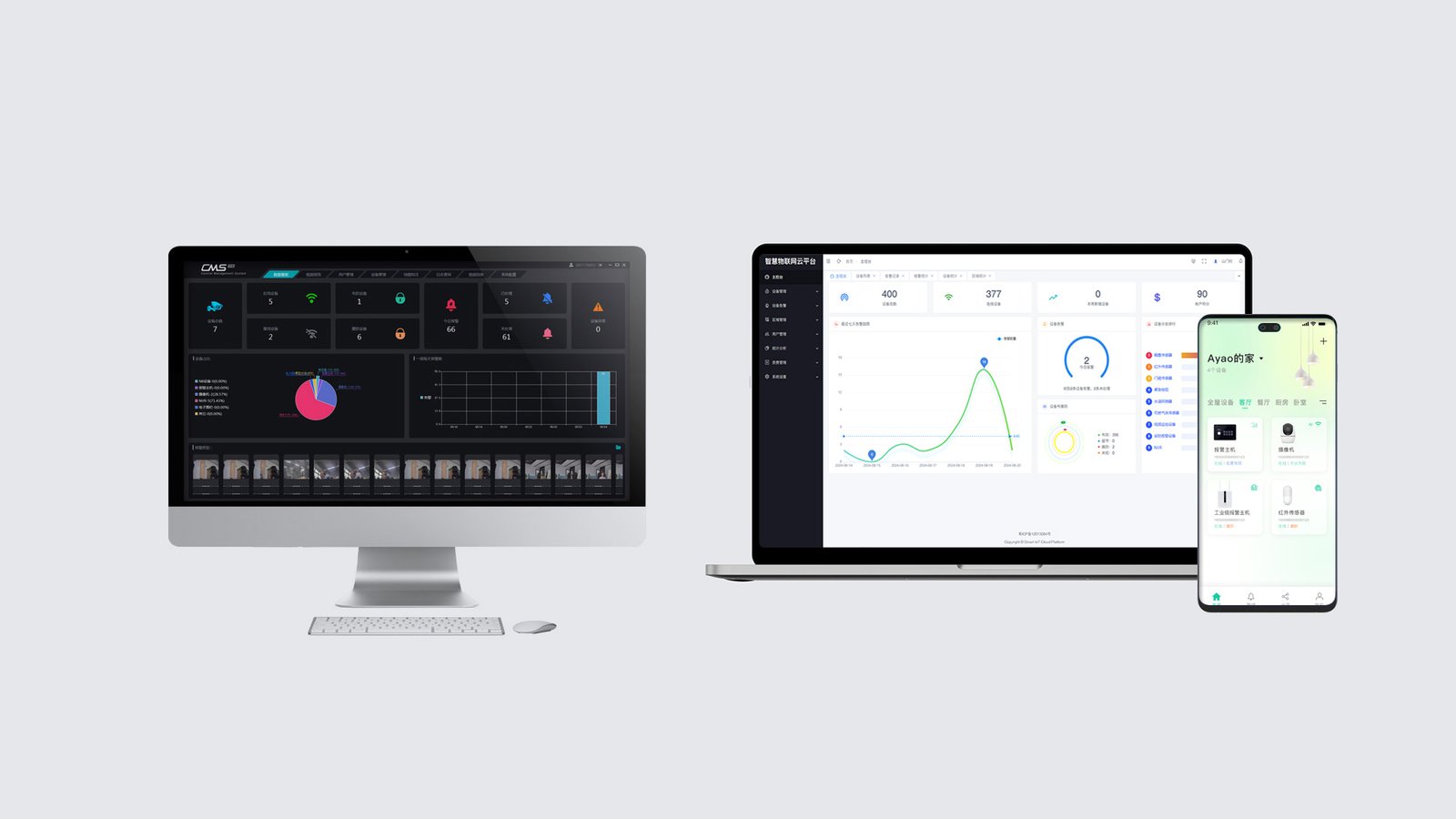
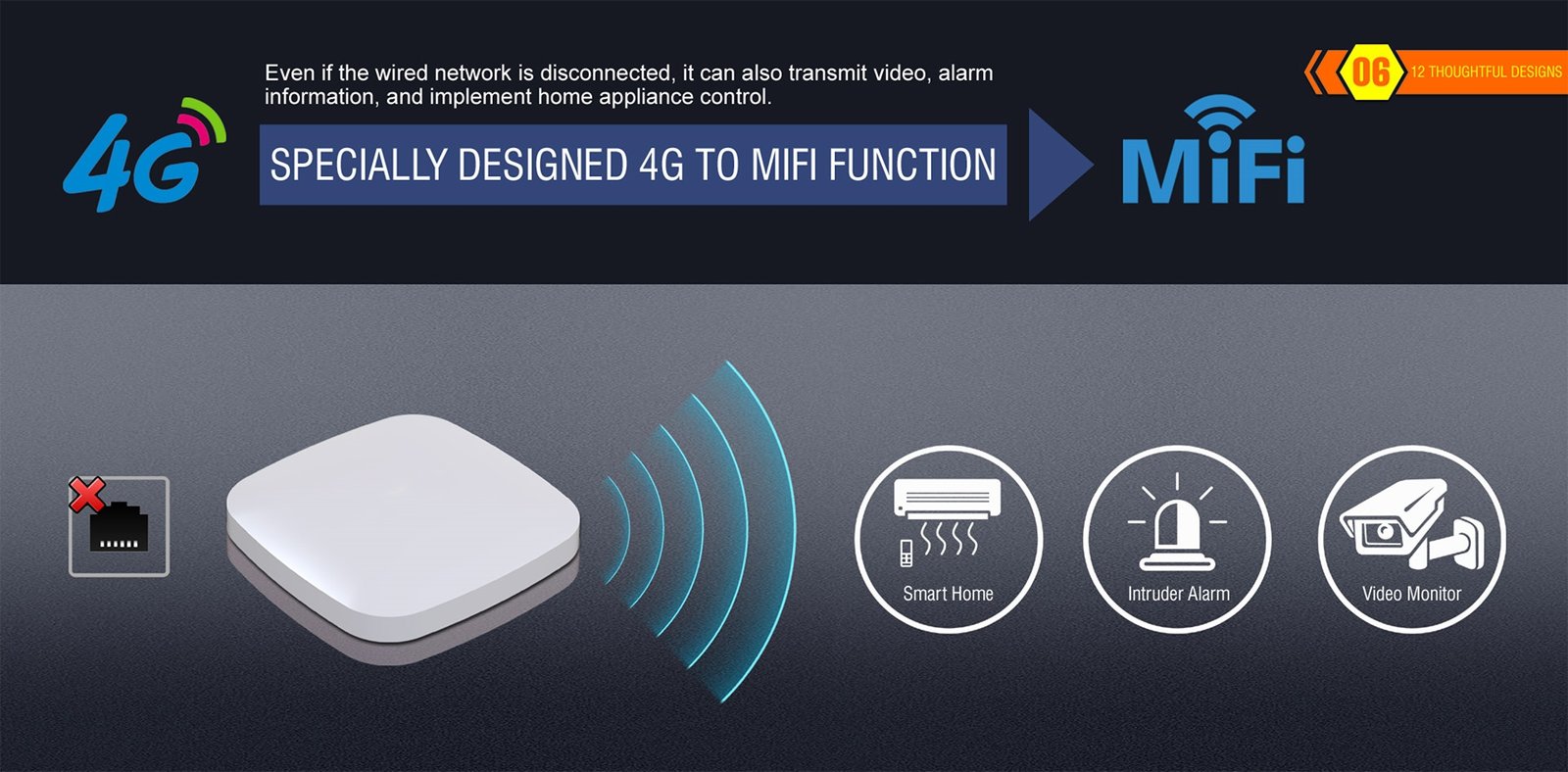
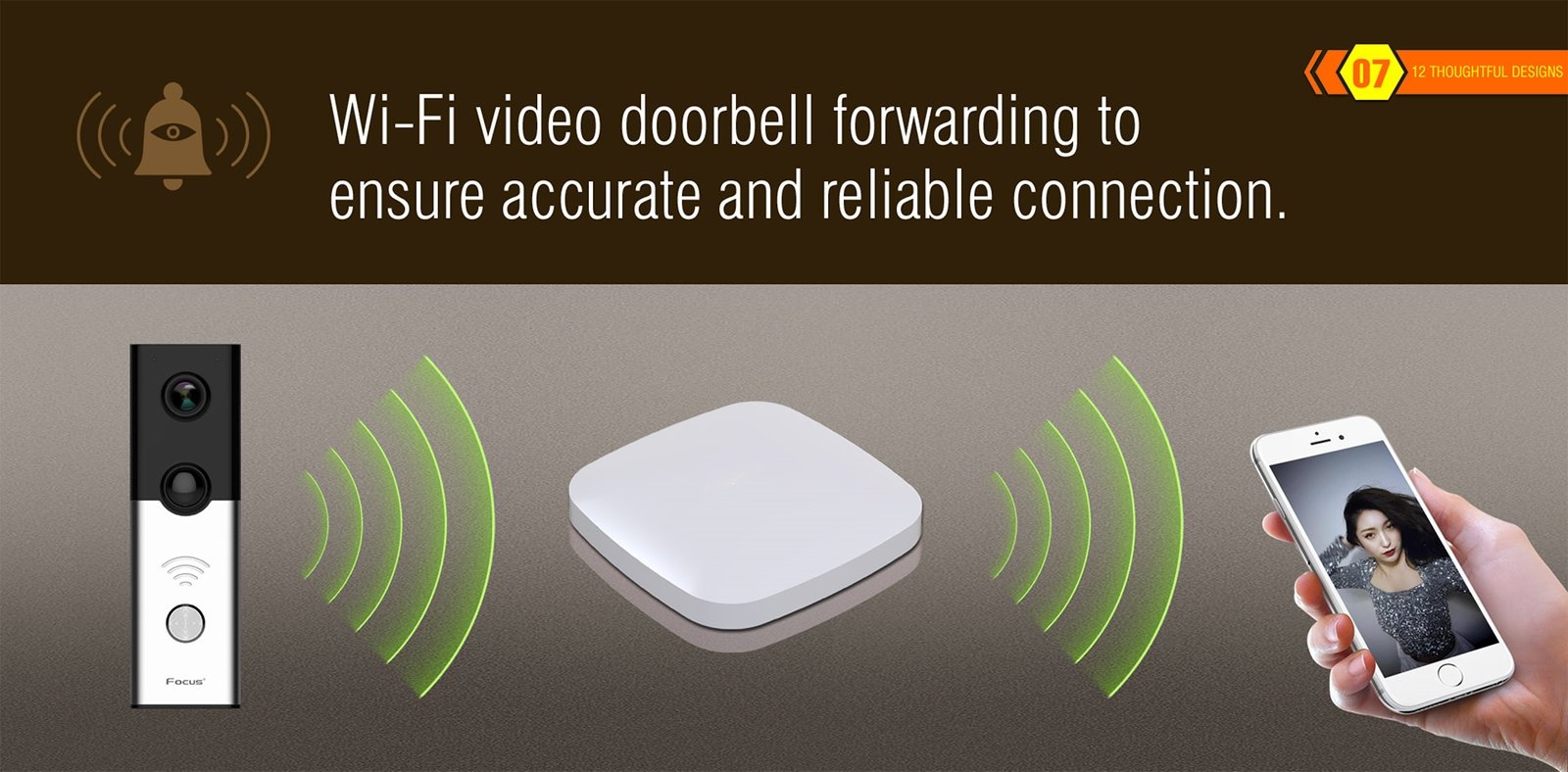

Key Functions of a Multi-Function Gateway:
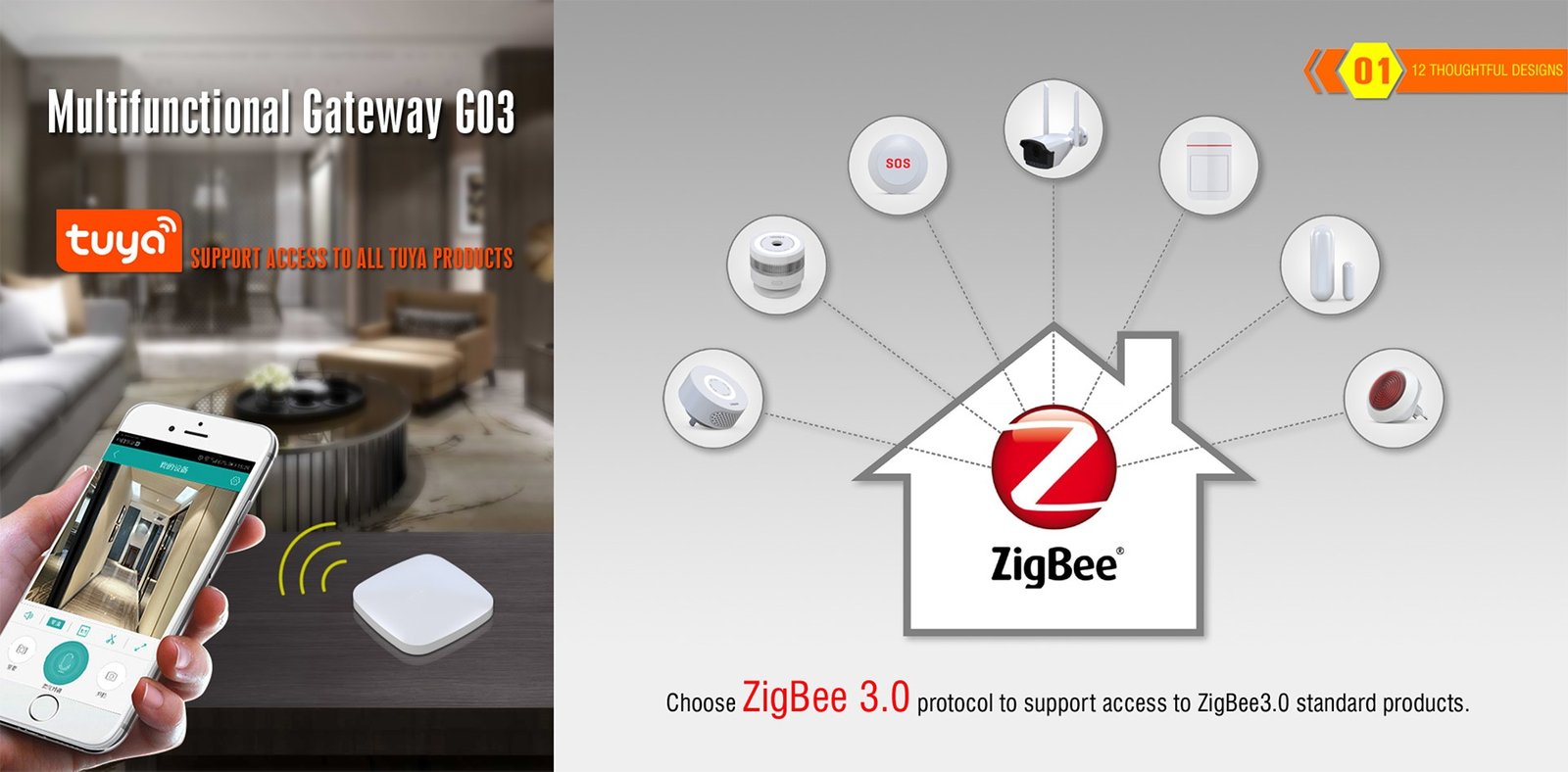
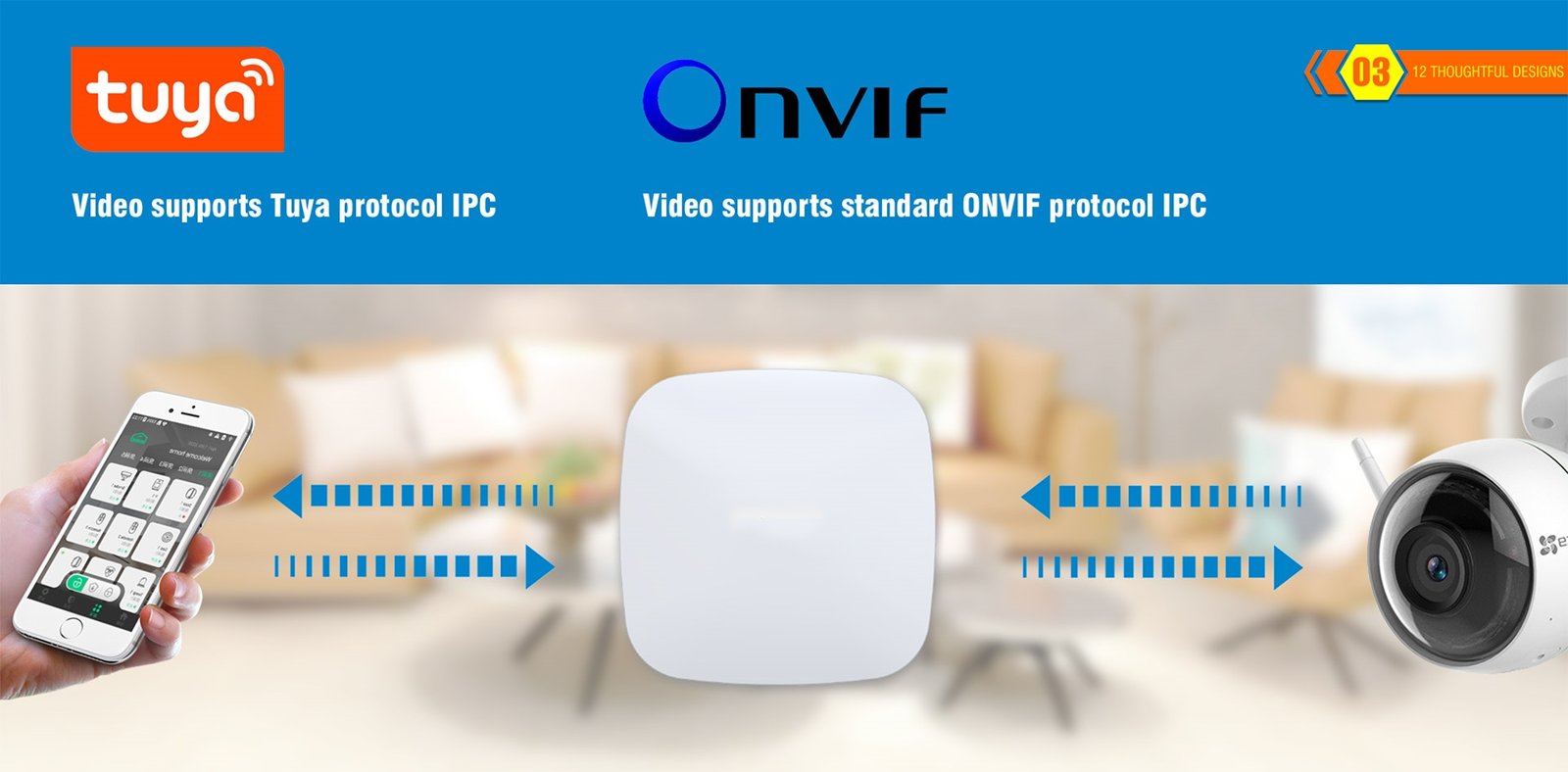
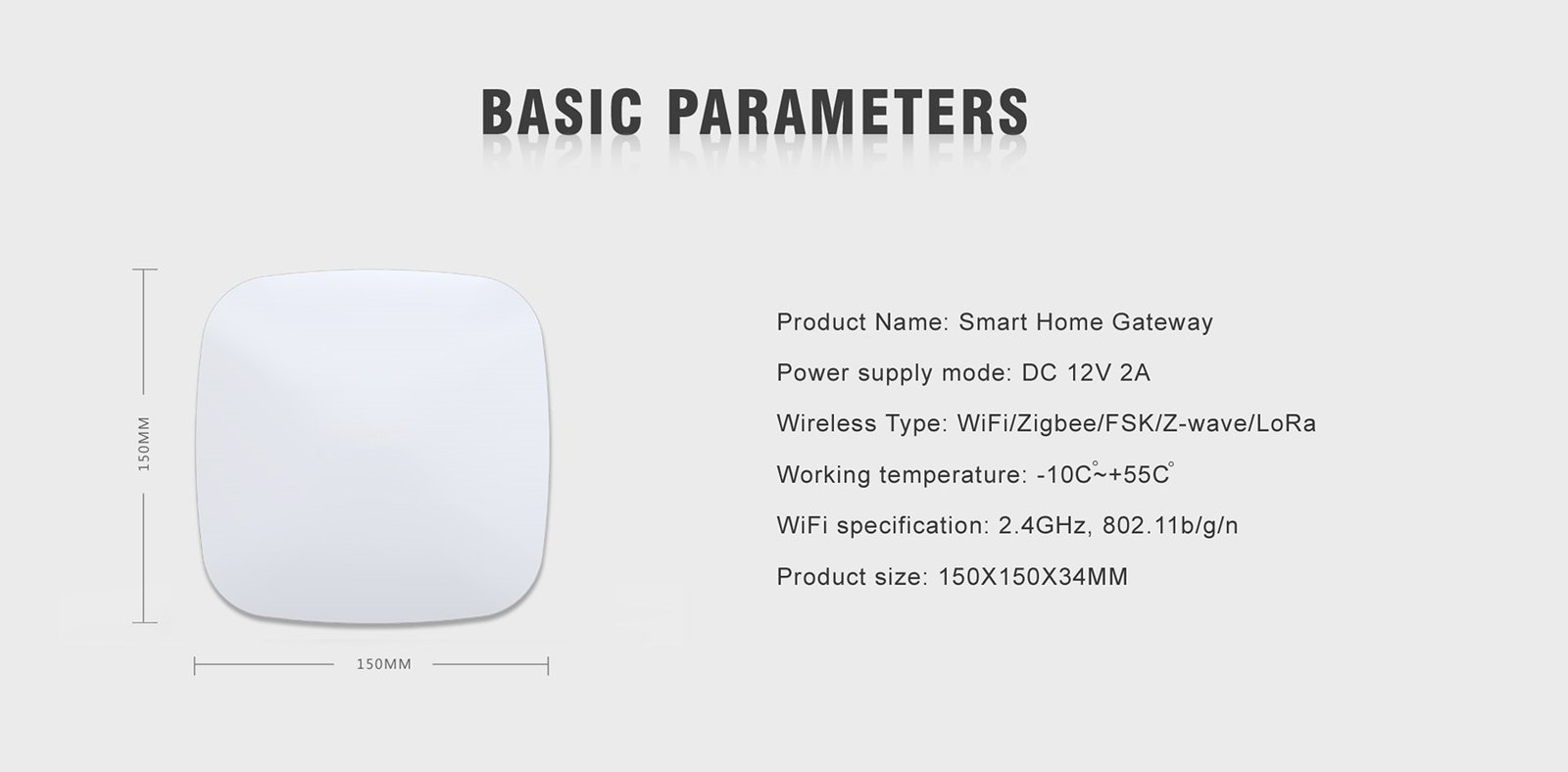
- Protocol Handling: It supports various communication protocols like Zigbee, Z-Wave, Wi-Fi, and Bluetooth. This allows devices from different manufacturers and with different communication standards to interact seamlessly within the same system.
- Data Management: The gateway processes and manages the data it receives from connected devices. This can involve data aggregation, filtering, and sometimes local decision-making based on predefined logic or rules.
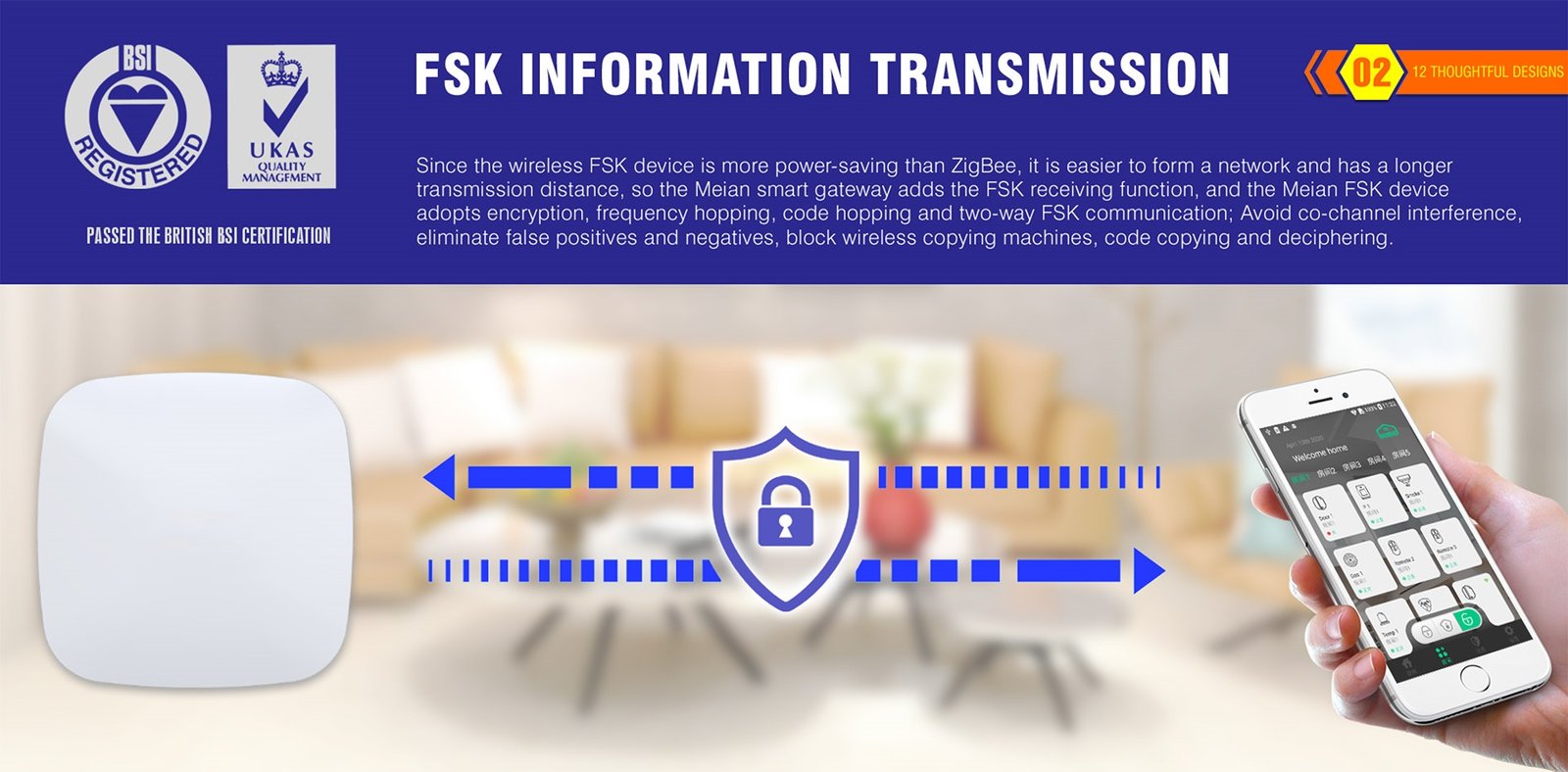
- Security and Protection: Security is a crucial function, as the gateway often manages sensitive data and controls critical functions. It employs various security measures such as encryption, authentication, and secure data transmission protocols to protect the network from unauthorized access and cyber threats.
- Remote Access: Users can control and monitor their connected devices remotely via user interfaces such as smartphone apps or web portals. This is particularly useful for tasks like home security monitoring or adjusting settings on home devices while away.
- Automation and Scenes: Automation capabilities allow users to set up specific actions or sequences (scenes) that are triggered under certain conditions, improving convenience and efficiency. For example, a morning routine might turn on the lights, play music, and start the coffee maker at a set time.
- Integration and Compatibility: The gateway often integrates with other systems and services, including cloud computing platforms, which can provide additional functionalities like advanced data analytics, voice control via assistants like Amazon Alexa or Google Assistant, and more.
Practical Applications:
- Home Automation: Controlling lighting, heating, air conditioning, and entertainment systems centrally.
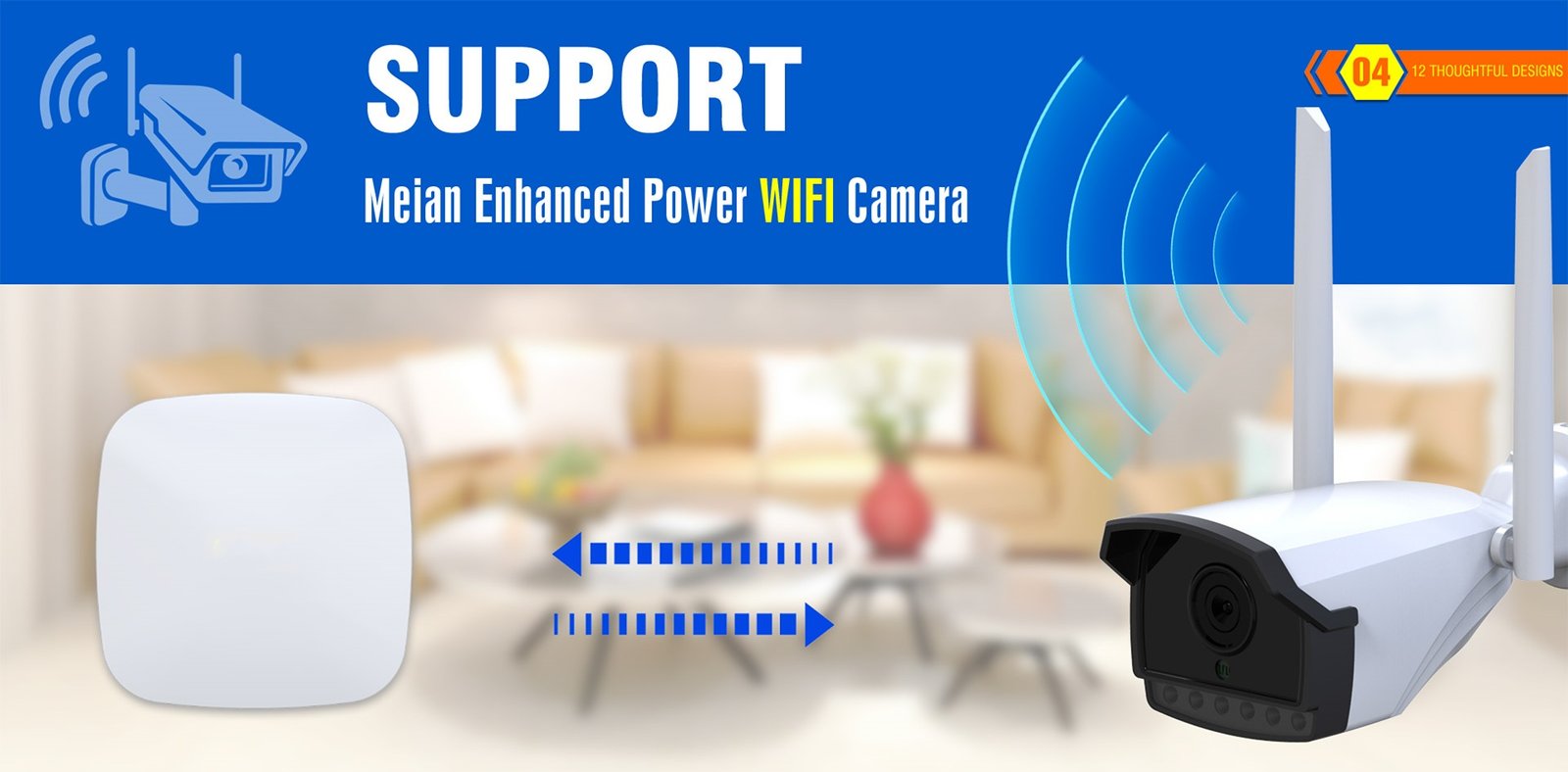
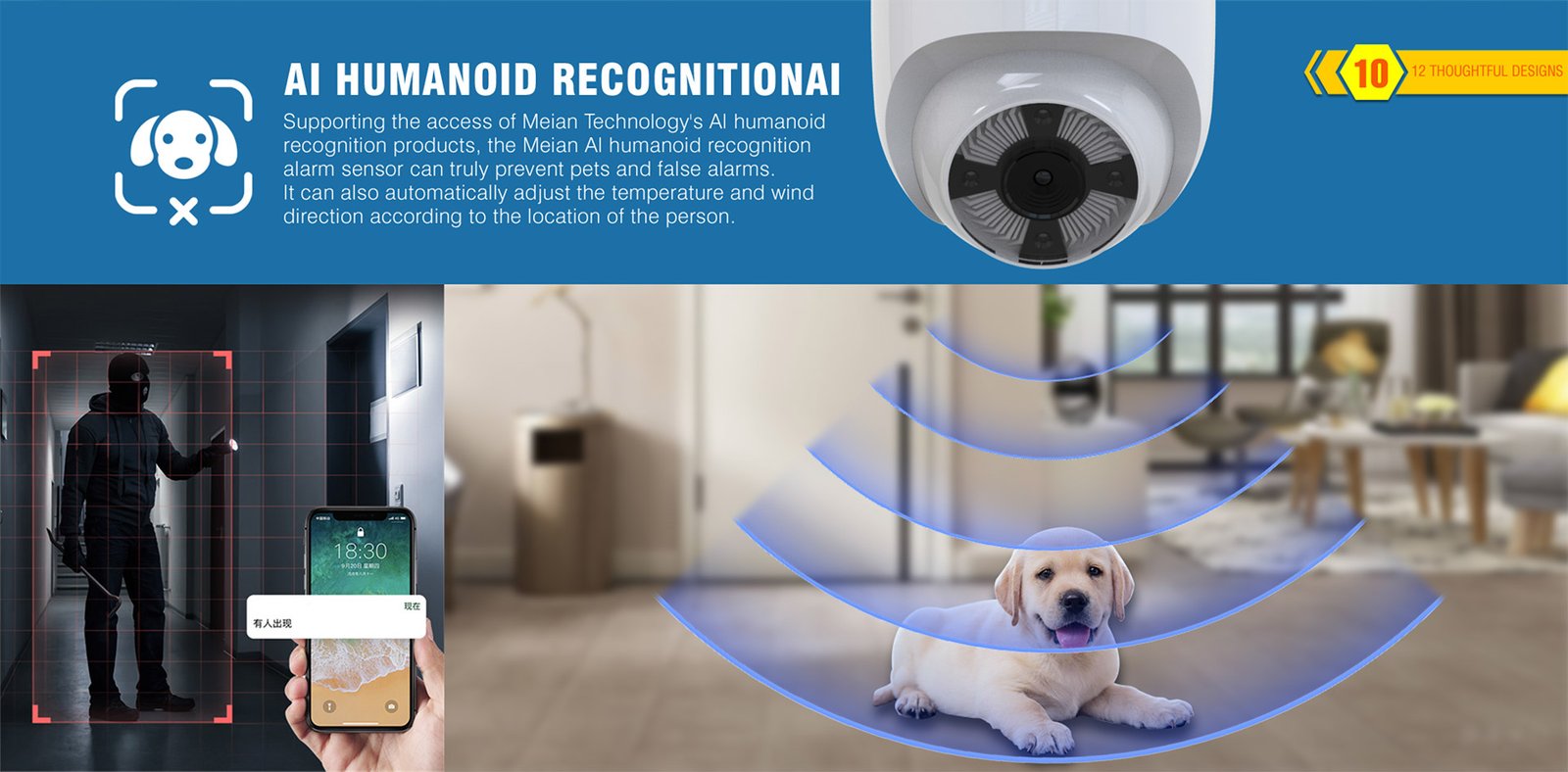
- Security Systems: Integrating alarms, cameras, and motion detectors for enhanced security.
- Energy Management: Connecting to smart meters and energy-consuming appliances to optimize usage and reduce costs.
- Health and Safety: Monitoring environments for hazards like smoke or toxic gases and integrating with health-monitoring devices for elderly or disabled individuals.
Benefits of Using a Multi-Function Gateway:
- Convenience: Offers centralized control and monitoring of all connected devices through a single interface.
- Efficiency: Automates tasks and manages devices to optimize the household’s energy consumption and routine tasks.
- Scalability: Easily integrates new devices into the system as needs grow or technology evolves.
- Enhanced Security: Provides robust security features that enhance the safety of the smart home environment.
Selection Tips:
When choosing a multi-function gateway, consider:
- Protocol Support: Ensure it supports all the protocols used by your current and potential future devices.
- Security Features: Look for strong security protocols to protect your network.
- Ease of Use: The user interface should be intuitive and easy to manage.
- Reliability: Choose products from reputable manufacturers with good customer support and firmware updates.
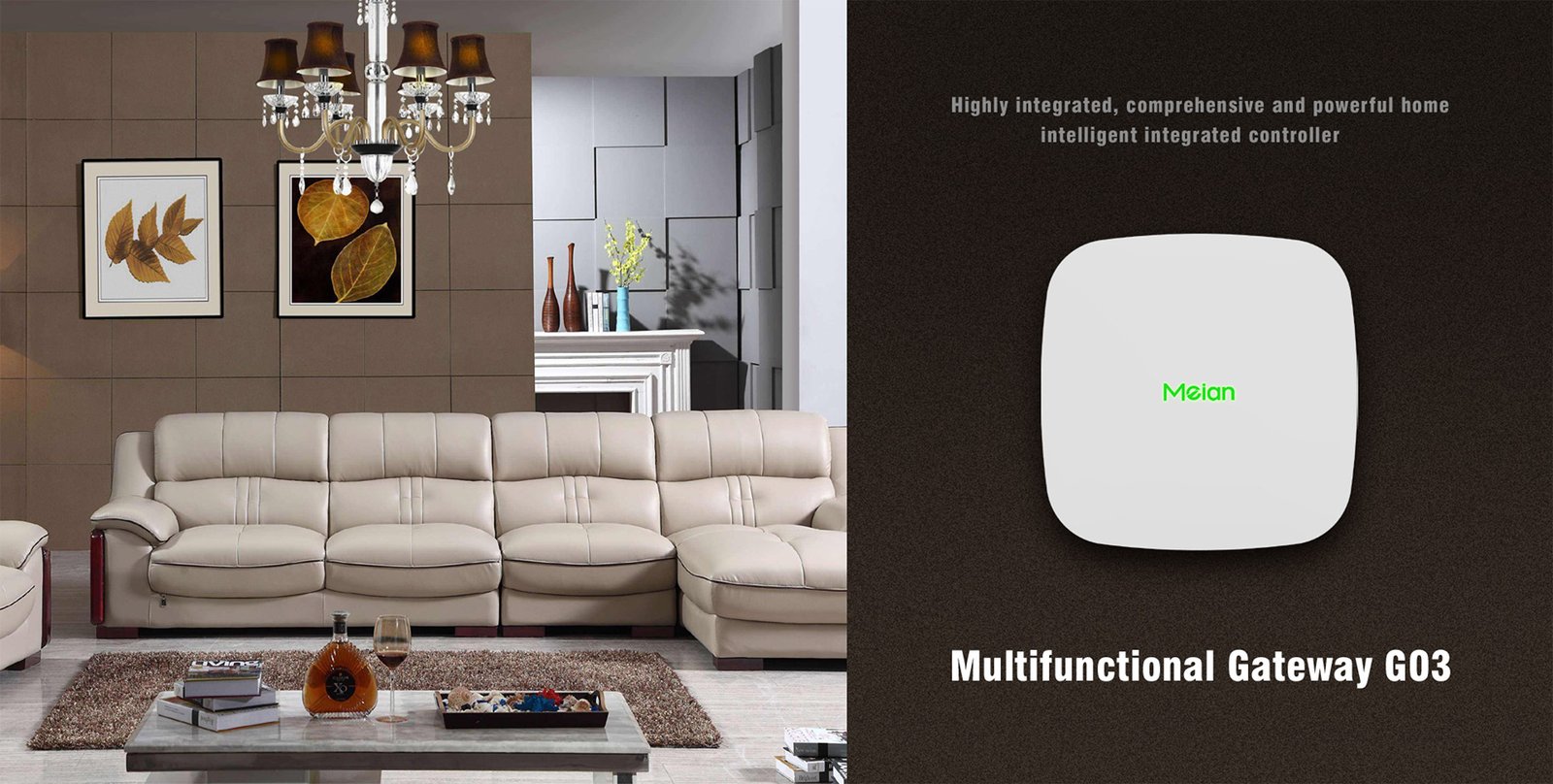
In summary, a Multi-Function Gateway is essential for modern smart home systems, acting as the backbone that allows various devices to work together efficiently and securely. When selecting one, it’s important to consider compatibility, security, and ease of use to ensure it meets the specific needs of your home or organization.